The Ranch Plan: A County-Run Master Plan
OC Public Works describes the Ranch Plan Planned Community as located in the southern portion of Orange County, projected to total 14,000 dwelling units with approximately 17,000 acres of open space. Because the land is unincorporated, the County of Orange, not a city, reviews the tract maps, accepts public improvements and holds the improvement security that secures the promise that streets, storm drains and utilities get built.
That shifts who reads the bond forms and the insurance certificates. County improvement agreements usually set their own security amounts, release steps and additional-insured requirements. A merchant builder entering a new planning area should get the County's agreement form early, because the surety will want to see it before committing capacity, and the GL carrier will want to see the indemnity language before agreeing to the additional-insured endorsement.
How improvement security is underwritten, reduced and released is explained in subdivision improvement bonds for tract builders.
Phased Communities and Long Completed-Operations Tails
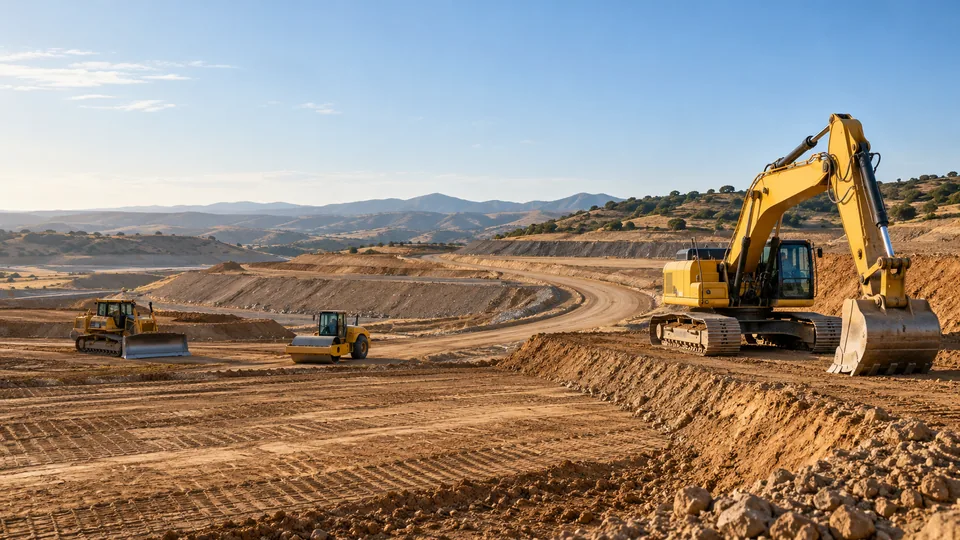
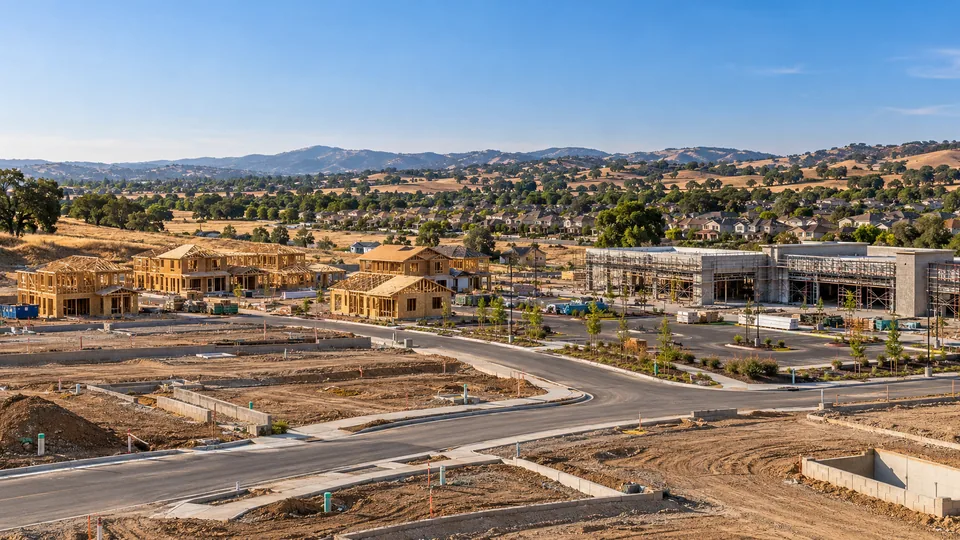
In a master-planned community, the master developer grades and installs backbone infrastructure, then sells finished lots to merchant builders who build homes on their own schedules. The result is a long chain of parties working on adjoining phases for many years, and each phase closes into its own completed-operations period while the next phase is still under construction.
For builders, that makes the structure of the liability program a central decision. A project-specific policy for a defined tract can dedicate limits to that tract and keep completed-operations coverage in force for a set term. A practice policy shares its aggregate with every other job. Neither fits every project, but the decision should be made before the first home closes, not after the first defect letter arrives.
Master developers face a related question about soils and grading. If backbone grading later contributes to settlement claims on homes built by others, contract indemnity and the developer's own completed-operations coverage may both be tested.
How dedicated project limits and completed-operations terms are typically built is explained in project-specific liability for tract and master-planned work.
Building on and Near the Former El Toro Air Station
EPA reports that the El Toro Marine Corps Air Station site covers approximately 4,712 acres in the City of Irvine. In January 2014, EPA deleted more than 1,900 acres from the Superfund list, with 1,200 of those acres held by Heritage Fields El Toro for about 9,500 homes plus commercial and retail space, and 700 acres going to the City for the Great Park. EPA also reported continuing work on the rest of the site, including a groundwater extraction and treatment system and monitoring of capped landfills, tied to volatile organic compounds such as trichloroethylene in groundwater.
For grading, underground utility and foundation contractors, that history matters even on deleted parcels. Excavation can encounter unexpected material, dewatering can intersect impacted groundwater and utility trenches can create pathways. A GL policy with a total pollution exclusion may not respond to those losses. Contractors pollution liability is designed for this exposure, but forms vary on known conditions, mold, disposal sites and transportation.
Developers should also expect lenders and buyers to ask about environmental conditions. A project-specific pollution policy can be one way to keep limits dedicated to a single community.
How CPL forms differ on known conditions and disposal sites is laid out in contractors pollution liability for earthwork and utilities.
Great Park Construction As Public Work
The City of Irvine describes the Great Park as approximately 1,300 acres, with more than 500 acres developed and over 300 acres in the first-phase planning and design stage. Park facilities built by the City are public works, so contractors bidding them should expect agency bid security, performance and payment bond requirements and the City's own insurance specifications in the bid documents.
A bond on public work protects the City and, for payment bonds, the subcontractors and suppliers who furnish labor and material. The contractor owes the surety indemnity if the surety pays. That is why a contractor's surety will want current financial statements and a work-in-progress schedule before supporting a large park package next to its residential work in the same corridor.
Who a payment bond protects and how claims work is explained in payment bonds on public park and infrastructure contracts.
Grading Security Under the County Grading Code
Under the OC Grading and Excavation Code (adopted January 27, 2015), Section 7-1-829 bars a grading permit until security is posted in the form and amount set in the County Grading Manual. One owner may post a blanket security for several concurrent or progressive projects, and the Building Official may require more security for finish grading before occupancy and energized utilities, or for stockpiles. On default, the County notifies the surety of the work and its estimated cost, then demands that cost.
The County bond form adds that permit changes or extensions do not release the surety. Because one failing phase can draw on a blanket bond, a surety will typically underwrite the whole program and its indemnitors, and terms vary by surety and individual risk.
How grading security differs from tract improvement security is covered in California subdivision improvement bonds.
County Road Permit Insurance and the Endorsement Test
The County's permittee insurance sheet for road work (dated October 2014) sets general liability of at least $1,000,000 per occurrence from an insurer rated A-/VIII. A separate additional insured primary and noncontributing endorsement, on ISO CG 20 12 or a form as broad, must name the County; naming it on the certificate alone is rejected. Each subcontractor must be an additional insured or carry the same coverage before starting, and a missed cancellation notice may let the County suspend the permit, so the GC's subcontract exhibit should mirror these terms.
For work inside Irvine, the city terms are set out in City of Irvine encroachment and construction permit conditions.
Hauling Earth and Controlling Dust on County Roads
When more than 5,000 cubic yards of earth per site moves on public roads, Section 7-1-825 requires dust palliative, makes the permittee keep the right-of-way clear of the operation's dirt and debris and calls for flaggers where sight distance falls short. Orange County is inside the South Coast Air Basin, so AQMD Rule 403 also requires an egress control such as a gravel pad or wheel wash at sites with five or more disturbed acres or 100 cubic yards of daily import or export. Hauler auto liability, grading GL and the sweeping terms in the subcontract need to line up.
Dust, sediment and hauled-soil exposure for grading contractors is explained in pollution liability for mass grading and site development.
How Orange County Fits the California Picture
Orange County projects still sit on top of statewide rules: contractor licensing, public-works bonding and subdivision improvement security under state law. What changes here is who administers them and where the ground has a history. A tract in the Ranch Plan answers to the County; a neighborhood near the Great Park sits beside an active federal cleanup.
A complete Orange County program for a builder or developer usually combines a builders risk policy for vertical construction, a GL structure matched to the phasing, CPL where earthwork or utilities touch the former base plus the bonds the County or City requires. To review a specific Orange County project, request a quote or call 844-978-7283.
Statewide licensing, bonding and subdivision rules are summarized on the page for California construction project insurance.
Before You Ask for a Quote
What to Gather
- The County of Orange or City of Irvine improvement agreement and security form
- Tract map, phasing plan and lot purchase agreement with the master developer
- Geotechnical and environmental reports for the parcel, including any Navy or EPA records
- Dewatering and soil-disposal plans for underground work
- Bid documents and insurance specifications for any Great Park public work
- Current financial statements and work-in-progress schedule for the surety
- County grading security amount and any blanket, finish-grading or stockpile security
What to Ask the Insurer or Surety
- Does the County or City accept the surety's standard bond form, and how are partial releases handled?
- How does the GL form treat indemnity owed to the County, master developer and HOA?
- Does the CPL form exclude known conditions, and how are pre-existing groundwater impacts handled?
- Does the policy respond to pollution during transportation and disposal of excavated soil?
- How long is completed-operations coverage kept in force on a project-specific tract policy?
- Will the surety support a public park contract alongside current residential backlog?
- Does the GL endorsement match the County primary and noncontributing wording, and are subcontractors on it?
Quick Answer
In Orange County, the Ranch Plan puts the County of Orange in the obligee role for tract improvements, and the former El Toro base in Irvine makes pollution coverage a live question for earthwork and utilities.
Common Mistake
Relying on a GL policy with a total pollution exclusion for grading or trenching near the former El Toro base, then finding no coverage when impacted groundwater or soil is disturbed.
Broker Perspective
On master-planned tracts, set the liability structure before the first close, and on former base land, read the CPL known-conditions and disposal wording before work starts.
Coverage Impact
Project-specific GL may help isolate tract limits and extend completed operations; CPL may respond where GL excludes pollution, depending on the form; bonds protect the County or City, not the contractor.
Questions Buyers Ask
Who holds the improvement bond for a tract in the Ranch Plan?
Because the Ranch Plan is in unincorporated Orange County, improvement agreements and their security generally run to the County of Orange rather than a city. The County's agreement form sets amounts, release steps and insurance requirements. A surety will want to see that form before issuing the bond, so request it as soon as the lots are under contract.
Do we need pollution coverage to grade near the former El Toro base if the parcel was removed from the Superfund list?
It is often worth reviewing. EPA deleted many parcels in 2014 but reported continuing groundwater treatment and landfill monitoring on the rest of the site. Grading, dewatering and trenching can still disturb unexpected material. A GL pollution exclusion may block those claims, while a contractors pollution liability form may respond depending on known-conditions and disposal wording.
Should a merchant builder in a master-planned community buy a project-specific policy?
It depends on volume, other work and how the lot purchase agreement allocates risk. A project-specific policy can dedicate limits to one tract and keep completed-operations coverage in force for a set period, which matters when phases close over several years. A practice policy shares its aggregate across every job. Compare both before the first home closes.
What does the City of Irvine look for when we bid Great Park work?
Great Park facilities built by the City are public work, so expect bid security, performance and payment bond requirements and the City's insurance specifications in the bid package. Read the insurance section before pricing, because additional-insured, waiver and limit requirements can affect cost. Confirm with your surety that capacity is available alongside current backlog.
Official Sources
- Ranch Plan Planned Community, OC Public Works, County of Orange. Ranch Plan is in the southern portion of Orange County and is projected to have 14,000 dwelling units and approximately 17,000 acres of open space. Verified 2026-10-23.
- EPA removes nearly 2,000 acres of El Toro site from Superfund list (January 27, 2014), U.S. Environmental Protection Agency. Site covers approximately 4,712 acres in Irvine; more than 1,900 acres deleted; 1,200 acres for about 9,500 homes and 700 acres for the Great Park; groundwater extraction and treatment and landfill monitoring continue; trichloroethylene in groundwater. Verified 2026-10-23.
- Great Park Planning and Future Development, City of Irvine. Great Park spans approximately 1,300 acres, with more than 500 acres developed and over 300 acres in first-phase planning and design. Verified 2026-10-23.
- OC Grading and Excavation Code (adopted January 27, 2015), OC Public Works, County of Orange. Sec. 7-1-829 security required before a grading permit issues, blanket security, additional security for finish grading and stockpiles, default notice and demand to the surety; Sec. 7-1-825 dust and flagging rules when over 5,000 cubic yards moves on public roads. Verified 2026-10-27.
- Grading Surety Bond Form, OC Public Works, County of Orange. Surety obligation not affected by permit changes, extensions or modifications; continuing obligation until completion of the permit terms. Verified 2026-10-27.
- Insurance Requirements for County Permittees (October 2014), OC Public Works, County of Orange. $1,000,000 per occurrence GL; A-/VIII insurer; additional insured primary and noncontributing endorsement on CG 20 12 or as broad; certificate-only naming rejected; subcontractor additional-insured status or equal coverage; failure to give cancellation notice may let the County suspend the permit. Verified 2026-10-27.
- Rule 403 Fugitive Dust (amended June 3, 2005), South Coast Air Quality Management District. South Coast Air Basin includes all of Orange County; sites with five or more disturbed acres or 100 cubic yards of daily import or export need an egress control at each exit to a paved public road. Verified 2026-10-27.
Reviewed by the Principal, Gleason Insurance Brokers, LLCUpdated