How Industrial Project Types Differ
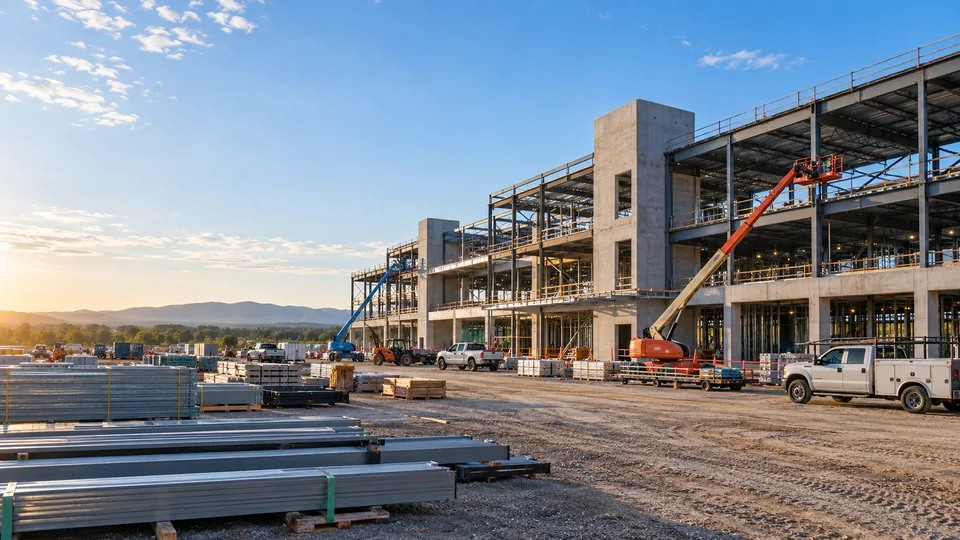
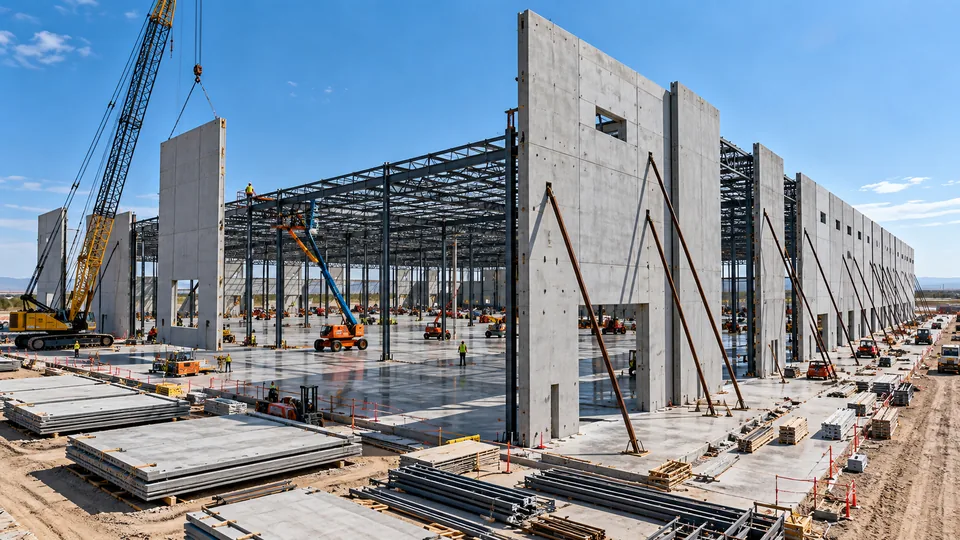
Industrial construction covers a wide range of buildings that insurers underwrite differently. A tilt-wall distribution center is mostly concrete, steel and roof, with a large paved truck court and long site utility runs. A manufacturing plant adds process equipment, cranes and specialized foundations. A cold storage building adds insulated metal panels and refrigeration systems with their own fire and ammonia questions. A data center looks like a warehouse from the road but holds electrical and cooling equipment that can be worth more than the building.
Those differences drive which line deserves the most attention. On a speculative warehouse, the questions are usually builders risk value and roof exposure, liability for the site work and the lender's requirements. On a plant or data center, the questions move toward owner-furnished equipment, testing and startup, delay in startup and the tenant's or operator's own requirements. A single insurance approach rarely fits both.
For the owner's view across project types, see developer insurance for industrial and logistics projects.
Project Liability and Excess
Industrial projects bring heavy equipment, crane picks, large crews and public road access for trucks, so liability limits are often set by the owner's contract, the lender and sometimes the local jurisdiction or a utility. A project-specific general liability policy, or a dedicated per-project aggregate on the contractor's program, can keep a large loss on this job from eroding limits needed for others. Completed operations matter because building envelope, slab and roof claims can surface after turnover.
Check how the contract allocates additional insured status, primary and noncontributory wording and waiver of subrogation, and whether the tenant must be added. Large distribution users and data center operators often have their own insurance exhibits that differ from the developer's lender. Excess limits should be compared against every exhibit that applies, not just the GC's contract.
For how per-project liability is structured, read project-specific general liability and excess.
Builders Risk for Warehouses, Plants and Data Centers
For a warehouse, the builders risk questions are familiar ones: completed value, wind and hail on a large roof, water damage during slab and interior work, theft of copper and equipment on a big open site and whether the lender's loss payable clause is in place. Flood zone and named storm terms matter for coastal Texas and some inland river sites. Partial occupancy can arise when a tenant takes the first building on a multi-building park.
Plants and data centers add a different layer. The standard AIA owner-contractor exhibit counts materials and equipment supplied by others in the required property value and asks for coverage of building systems damaged in testing and startup. In practice, transformers, switchgear, generators and process equipment often come from owner purchase orders, so they must be scheduled separately, followed through transit and storage and matched to testing, defects and delay in startup terms.
Those equipment, testing and delay questions are covered in builders risk for equipment-heavy industrial projects.
Data Center Construction
Data centers combine a large site civil scope with dense electrical and mechanical systems and a schedule that often depends on the utility's energization date. In the ERCOT region, large loads go through ERCOT's own large load interconnection and verification process alongside the transmission or distribution provider, and that timing can shift the builders risk term and any delay in startup limit. Campuses are commonly built in phases, so one hall may be energized and occupied while the next is under construction.
Insurance on these projects typically involves the developer, the GC, specialist electrical and mechanical contractors, the equipment vendors and the tenant or operator, each with different interests. The tenant's lease often sets insurance requirements of its own, including when risk passes for tenant-owned equipment. Electronic data and tenant servers are generally outside builders risk and belong to the operator's own program. A pre-bind file that pulls these pieces together saves time with underwriters.
To assemble that file, use the checklist for data center construction risk.
When a Wrap-Up Fits
Large single-site industrial and data center projects are frequent candidates for an owner-controlled or contractor-controlled insurance program, because one policy set can cover the many trades on site and give the sponsor control over limits and claims. Whether that makes sense depends on project size, the number and type of enrolled trades, the sponsor's appetite for a deductible or retention and the administrative effort of enrollment and payroll reporting.
Wrap-ups usually exclude some parties, such as off-site fabricators and equipment vendors, so the contract still needs insurance requirements for them. Compare the wrap-up cost with the insurance cost built into each trade's bid, and check how completed operations are handled after the project closes.
For the owner-sponsored version, see owner-controlled insurance programs.
Performance and Payment Bonds
Private industrial owners and lenders often require performance and payment bonds from the GC, and public or utility-owned facilities may require them under the applicable public works rules. A bond is not insurance. The surety guarantees the contractor's obligation to the owner, the owner is the obligee and the contractor and its owners typically sign an indemnity agreement promising to repay the surety for any loss it pays.
Bond capacity for a large industrial job depends on the contractor's financial statements, work in progress, backlog and experience with similar work. Equipment-heavy contracts can raise the question of whether owner-furnished equipment is inside or outside the bonded contract sum, which affects the bond amount and what the surety is promising. Settle that in the contract language before the bond is requested.
For how performance bonds are underwritten, see performance bonds on private and public projects.
Solar and Storage Projects
Utility-scale solar and storage add decommissioning security and battery fire-safety rules to the usual industrial construction program.
Those requirements are set out in solar and battery storage project bonds.
Data Center Requirements
Texas, Arizona and Nevada set large-load power, incentive and city ordinance conditions for data centers that change the construction program.
Those requirements are set out in data center requirements by state and city.
Pollution Exposure on Industrial Sites
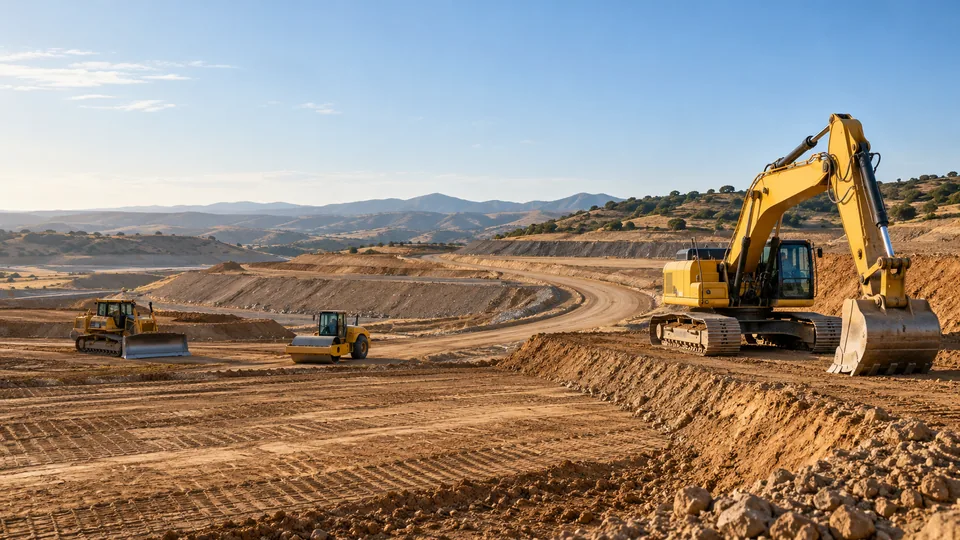
Industrial sites often involve mass grading, imported or exported fill, dewatering, fuel storage for temporary generators and work near existing industrial uses. A Clean Water Act stormwater permit is generally required where construction disturbs one acre or more, and these sites usually disturb far more. Standard general liability forms commonly contain broad pollution exclusions, so a release of fuel or contaminated sediment may not be insured under GL at all.
Contractors pollution liability, written for the contractor or as a project-specific policy for the site, is designed to address that gap, depending on its wording. Ask whether the form includes mold, transportation and disposal sites and whether known pre-existing contamination is excluded. Redevelopment of a former industrial parcel may also call for a separate site pollution policy held by the owner.
For site-level pollution coverage, read project-specific pollution coverage for a single site.
Before You Ask for a Quote
What to Gather
- Owner-contractor agreement and insurance exhibit
- Lender and tenant insurance requirements
- Project value broken into building, site work and owner or tenant equipment
- Site plan, grading quantities and stormwater permit status
- Commissioning and energization schedule for plants and data centers
- GC financial statements and work in progress for bonding
What to Ask the Insurer or Surety
- Should liability be written project-specific or with a dedicated per-project aggregate?
- Does the builders risk value include owner and tenant equipment, and with what testing terms?
- Would a wrap-up cost less than the insurance built into trade bids on this project?
- Is owner-furnished equipment inside or outside the bonded contract sum?
- Does the pollution form address fuel, fill, dewatering and transportation?
Quick Answer
Industrial projects typically need coordinated project liability, builders risk, a wrap-up decision, performance and payment bonds and contractors pollution coverage, with the mix driven by whether the job is a warehouse, a plant or a data center.
Common Mistake
Treating a data center or plant like a large warehouse, so owner-furnished equipment, testing and the tenant's insurance exhibit are left out until after quotes are bound.
Broker Perspective
A broker maps each line to the contract, the lender exhibit and the tenant lease, then checks that the builders risk value, bond amount and pollution wording match the actual scope.
Coverage Impact
Coverage on industrial work often depends on scheduling equipment, testing endorsements and pollution wording; general liability pollution exclusions typically leave site releases to a separate CPL policy.
Questions Buyers Ask
Is insuring a spec warehouse different from insuring a build-to-suit plant?
Usually, yes. A speculative warehouse is underwritten mainly on building value, roof and site exposures and the lender's requirements. A build-to-suit plant adds the tenant's equipment, testing and startup and the tenant's own insurance exhibit. The plant's builders risk value and testing terms often need more negotiation, and the lease may change who is named on each policy.
Should a data center GC carry project-specific liability limits?
It is often worth pricing. A large data center can involve many trades, heavy lifts and a long schedule, and the owner, lender and tenant may each set liability requirements. A project-specific policy or a dedicated per-project aggregate keeps a loss on this campus from using up limits needed for other jobs. Compare the cost against the contract requirements before deciding.
Do industrial owners require payment bonds on private projects?
Many do, especially when a lender is involved or the owner wants protection against mechanic's liens from unpaid subcontractors and suppliers. Requirements come from the contract and the loan documents rather than a single rule. A payment bond protects those who supply labor and materials, and the contractor owes the surety indemnity if a claim is paid.
Why would a warehouse site need contractors pollution coverage?
Large industrial sites often involve mass grading, imported fill, dewatering and fuel for equipment and temporary power. General liability policies commonly exclude most pollution, so a fuel spill or contaminated sediment discharge may fall outside GL. Contractors pollution coverage is written to address those exposures, subject to its own terms and exclusions.
Official Sources
- AIA Document A101-2017 Exhibit A, Insurance and Bonds (sample), Section A.2.3, AIA Contract Documents (American Institute of Architects). Required property value includes materials and equipment supplied by others; coverage for building systems damaged in testing and startup Verified 2026-10-23.
- EPA Stormwater Discharges from Construction Activities, U.S. Environmental Protection Agency. Clean Water Act permit required for construction disturbing one acre or more, or less as part of a larger common plan Verified 2026-10-23.
- ERCOT Large Load Integration, Electric Reliability Council of Texas. ERCOT large load interconnection and verification process for large loads such as data centers Verified 2026-10-23.
Reviewed by the Principal, Gleason Insurance Brokers, LLCUpdated