What the Horizontal Improvement Scope Includes
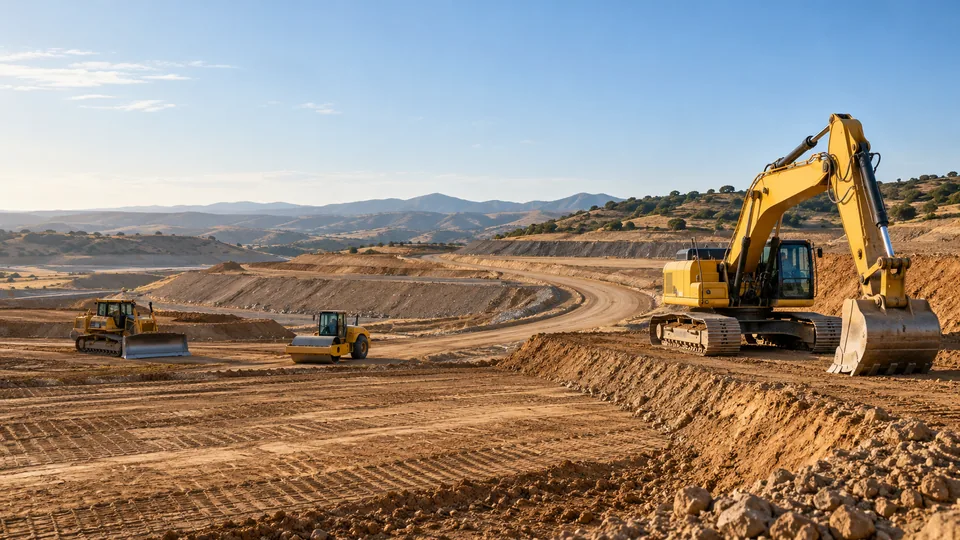
Subdivision site improvements are the public and common-area infrastructure a developer must build before lots can be sold or homes occupied. A typical scope runs from clearing and mass grading to wet utilities (water, sewer and storm drain), dry utilities (electric, gas and telecom in a joint trench), streets with curb, gutter and sidewalk, streetlights, erosion control and landscaped common areas. Much of that work is later dedicated to a city, county or utility district.
Each scope has its own loss pattern. Grading produces slope, settlement and sediment claims. Utilities bring strike, trench and pipe-failure claims. Streets and flatwork draw trip-and-fall and pavement-distress claims after the public starts using them. Landscaping and irrigation add water damage and plant-establishment disputes. A program that treats the improvements as one generic job tends to miss at least one of those patterns.
The useful starting document is a responsibility matrix that lists each improvement, who builds it (developer self-perform, site contractor or a utility), who owns it at each stage and which policy or bond responds. Insurers and sureties both underwrite more easily when that matrix exists.
The site contractor's own program, trade by trade, is laid out in insurance for underground utility and site contractors.
General Liability: Who Carries What Between Developer and Site Contractor
Both the developer and the site contractor need general liability, but for different reasons. The developer carries the owner's exposure for the land, the project and anything it self-performs. The site contractor carries the exposure from its operations. The subcontract or site improvement agreement usually ties the two together with indemnity, additional insured requirements and waiver of subrogation.
On a tract development, watch for residential and tract-housing exclusions on the site contractor's GL. Some contractor forms limit or exclude work on residential projects or projects over a certain unit count, and a grading or utility contractor that mostly does commercial work may not notice the restriction until a homeowner claim arrives. Ask whether the contractor's GL applies to residential subdivision work and whether additional insured endorsements extend to completed operations.
Larger subdivisions sometimes justify a project-specific policy or a wrap-up that enrolls the site contractor along with the vertical builders. Either structure can concentrate limits on the project, but it also changes what each contractor's own annual policy is expected to do, so the enrollment terms and off-site exclusions need a careful read.
When one tower of limits for the whole subdivision makes sense is explained in dedicated project limits for a subdivision.
Builders Risk for Horizontal Work: Often Limited
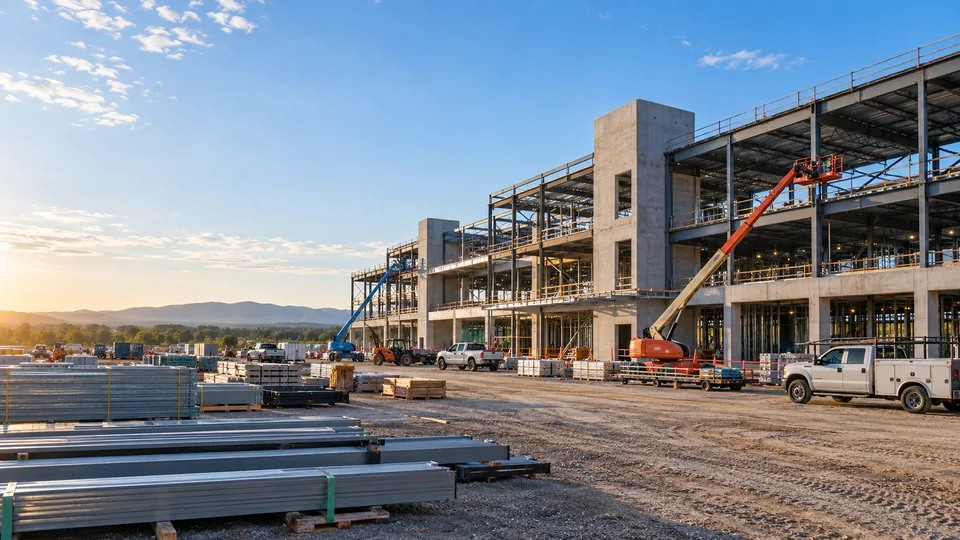
Builders risk is designed for structures under construction, and many forms exclude or sharply limit land, earthwork, roads, paving, underground pipe and landscaping. A developer who buys builders risk for the homes may find that a washout of graded pads, a collapsed storm drain or a flooded joint trench sits outside that policy. Some markets will add horizontal improvements by endorsement or write a separate civil works form, usually with its own deductibles and sublimits.
Ask three questions before relying on builders risk for site work: whether the form lists roads, pipe, earthwork or landscaping in its exclusions or property not covered, whether there is a sublimit for underground or horizontal property and how the policy treats completed improvements before they are dedicated to the city. If the answer to any of those is unclear, the contractor's equipment and installation coverage and the developer's own risk retention have to fill the gap.
Materials stored on site or in transit, such as pipe, precast boxes and streetlight poles, are another common gap. Decide in writing whether they are the contractor's responsibility until installed or fall under the developer's property program.
What builders risk forms typically include and exclude is set out in builders risk limits on site work.
Pollution, Stormwater and Soils on a Subdivision Site
Subdivisions disturb large areas of ground, which puts stormwater and soil conditions at the center of the pollution question. The EPA states that construction disturbing one acre or more, or a smaller site that is part of a common plan of development, needs Clean Water Act permit coverage for stormwater discharges, and every phased subdivision is a common plan. Sediment that leaves the site can bring agency enforcement and third-party claims, and many GL forms treat it under the pollution exclusion.
Former agricultural or industrial land can hold pesticides, fuel or fill that becomes a problem once grading starts. The contract should say who characterizes soils, who pays for disposal and who carries pollution risk. A developer may carry a site pollution policy for pre-existing conditions while requiring the site contractor to carry contractors pollution coverage for its operations, and the two policies should be read together so that neither assumes the other responds.
Developers with known soil issues often look at pollution coverage dedicated to one subdivision.
Improvement Security Handed to the City
Before a final map records or permits issue, the local agency usually requires the developer to secure completion of the public improvements. In California, Government Code §66499 lets the agency accept a corporate surety bond, a cash or negotiable-bond deposit, an instrument or letter of credit from a regulated financial institution or, in limited cases, a lien on the property. Section 66499.3 sets the faithful performance amount at 50 to 100 percent of the estimated improvement cost, plus a separate 50 to 100 percent amount securing payment to contractors, subcontractors and suppliers. It also allows an amount for a one-year warranty after completion and acceptance. In Arizona, A.R.S. §9-463.01(C)(8) authorizes municipalities to require performance bonds, assurances or other security for streets, utilities, drainage and flood control improvements.
That security is not insurance. A subdivision bond protects the agency, and the developer signs an indemnity agreement with the surety. The site contractor's own performance and payment bonds, if the developer requires them, protect the developer. A developer that confuses the two may find it is bonded to the city for work its contractor never bonded to the developer.
Bond forms, release mechanics and the agency's amounts are set locally, so read the subdivision improvement agreement before choosing the form of security.
How the bond itself is underwritten and released is the subject of the page on subdivision improvement bonds.
Acceptance and Maintenance Periods
The exposure does not end when the paving crew leaves. In California, Government Code §66499.7 releases performance security upon final completion and acceptance, and it lets the subdivider give written notice that work is complete, after which the agency has 45 days to approve it or list remaining work. Payment security and any warranty amount typically remain in place for their own periods after that.
Between substantial completion and acceptance, the developer often still owns and maintains streets and storm systems that the public is already using. Claims during that window can involve both the developer and the contractor. After acceptance, the maintenance or warranty period keeps the contractor responsible for defects, and completed operations coverage and additional insured endorsements need to run long enough to match it.
Phased subdivisions complicate this further because some streets are accepted while others are still being built. Track acceptance dates by phase and confirm that bonds, completed operations and builders risk end dates line up with them.
How claims emerge after improvements are accepted is explained in completed operations after the city accepts the streets.
Contract Surety for the Site Contractor
Developers often require the site contractor to provide performance and payment bonds naming the developer, and sometimes the lender, as obligee. Those bonds protect the developer and lender if the contractor fails to finish or fails to pay its suppliers and subcontractors. The contractor's surety will underwrite its financial statements, WIP schedule and backlog, so a large subdivision package can strain capacity for a mid-size site contractor.
When the city's improvement security and the contractor's bonds cover the same work, coordinate the amounts and the completion definitions so they mirror each other. A city that defines completion as acceptance and a subcontract that defines it as substantial completion leaves the developer exposed in between.
How sureties evaluate contractors for these bonds is explained under performance bonds from the site contractor.
Before You Ask for a Quote
What to Gather
- Conditions of approval and the subdivision improvement agreement with the agency's security amounts
- Engineer's estimate of improvement costs by phase
- Site contractor's GL, pollution and equipment policies with all endorsements
- Builders risk form, including exclusions and property not covered
- Geotechnical and Phase I environmental reports for the land
- Phasing plan with expected acceptance dates
What to Ask the Insurer or Surety
- Does the builders risk form exclude roads, pipe, earthwork or landscaping? Is there a horizontal sublimit?
- Does the site contractor's GL exclude residential or tract-housing projects?
- Which forms of improvement security will the agency accept, and how are they released by phase?
- Will the surety support the improvement bond and the contractor's bonds at the amounts required?
- How long do completed operations and additional insured protections run after acceptance?
- Who carries pollution risk for pre-existing soil conditions versus the contractor's operations?
Quick Answer
Subdivision site improvements are typically protected by the developer's and site contractor's GL, a builders risk policy that may need horizontal coverage added, pollution coverage for soils and stormwater and surety bonds securing completion for the city.
Common Mistake
Assuming the builders risk policy for the homes reaches roads, pipe and graded pads, then discovering after a storm washout that horizontal work was excluded.
Broker Perspective
A broker builds a responsibility matrix by improvement and phase, then matches each line to a policy, an endorsement or a bond before grading starts.
Coverage Impact
How builders risk, GL and pollution forms treat horizontal work usually depends on the form and endorsements, and the improvement security protects the agency, not the developer.
Questions Buyers Ask
Who should insure the streets and storm drain before the city accepts them?
Until acceptance, the developer usually owns the improvements and the contractor remains responsible for its work under the contract. Many builders risk forms exclude roads and underground pipe, so the developer may need a horizontal endorsement or a civil works form, while the contractor's GL and equipment coverage address its operations. Put the allocation in the improvement agreement and the subcontract.
Can a letter of credit replace a subdivision improvement bond?
In California, Government Code §66499 lets the agency accept a letter of credit from a regulated financial institution as one form of security, at the agency's option. A letter of credit usually ties up the developer's borrowing capacity, while a surety bond relies on the surety's underwriting and the developer's indemnity. The local agency decides which forms it will take.
Does our site contractor's insurance protect us as the developer?
Only to the extent the contract requires it and the endorsements deliver it. Ask for additional insured endorsements that reach ongoing and completed operations, primary and noncontributory wording and a waiver of subrogation, and confirm the contractor's GL has no residential or tract-housing exclusion. A certificate alone does not show those terms.
What happens to our improvement security if one phase is accepted and another is not?
Many agencies release security by phase or allow partial release as work is accepted. In California, §66499.7 lets the legislative body provide for partial release as work progresses. Release terms depend on the improvement agreement, so track acceptance dates by phase and request releases promptly to free bonding capacity for the next phase.
Official Sources
- Gov. Code §66499 (Subdivision Map Act forms of improvement security), California Legislative Information. Surety bond, deposit, letter of credit or lien as improvement security Verified 2026-10-23.
- Gov. Code §66499.3 (improvement security amounts), California Legislative Information. 50 to 100 percent performance and payment amounts; one-year warranty after completion and acceptance Verified 2026-10-23.
- Gov. Code §66499.7 (release of improvement security), California Legislative Information. Release on final completion and acceptance; partial release; 45-day agency review Verified 2026-10-23.
- A.R.S. §9-463.01 (Arizona subdivision regulations), Arizona State Legislature. Municipal authority to require bonds, assurances or other security for subdivision improvements Verified 2026-10-23.
- Stormwater discharges from construction activities, U.S. EPA. Permit coverage for disturbing one acre or more or part of a common plan of development Verified 2026-10-23.
Reviewed by the Principal, Gleason Insurance Brokers, LLCUpdated