Why Fire Debris Is Treated Differently
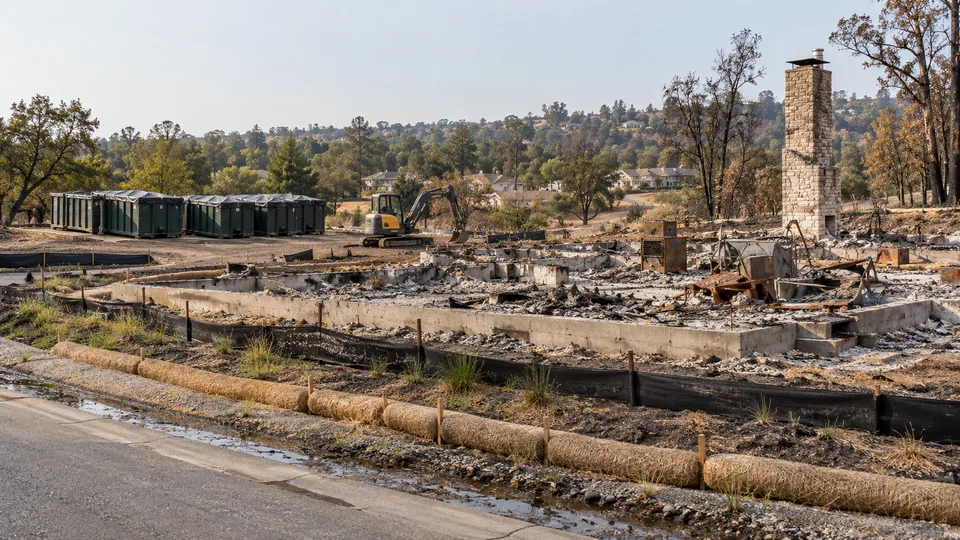
After the January 2025 Los Angeles fires, debris removal moved in phases: household hazardous waste first, then ash and debris. Private debris removal in Los Angeles County required a county permit, and the Contractors State License Board stated that permits went to contractors holding the Hazardous Substance Removal Certification with an A, B or C-12 and C-21 license and workers trained under 40-hour HAZWOPER. That framework reflects how regulators view fire debris: as material that can harm workers, neighbors and waterways if mishandled.
The Los Angeles program is described in Los Angeles fire rebuild requirements.
The General Liability Pollution Exclusion
Standard general liability forms commonly carry a pollution exclusion that can reach ash, asbestos, fuel and contaminated runoff. A contractor removing debris, demolishing burned structures or grading burn scars may find its general liability does not respond to a neighbor's contamination claim or a cleanup demand. A contractors pollution liability policy is usually written to fill that gap for the operations it lists.
The basics of the coverage are explained in contractors pollution liability insurance.
Covered Operations, Asbestos and Mold
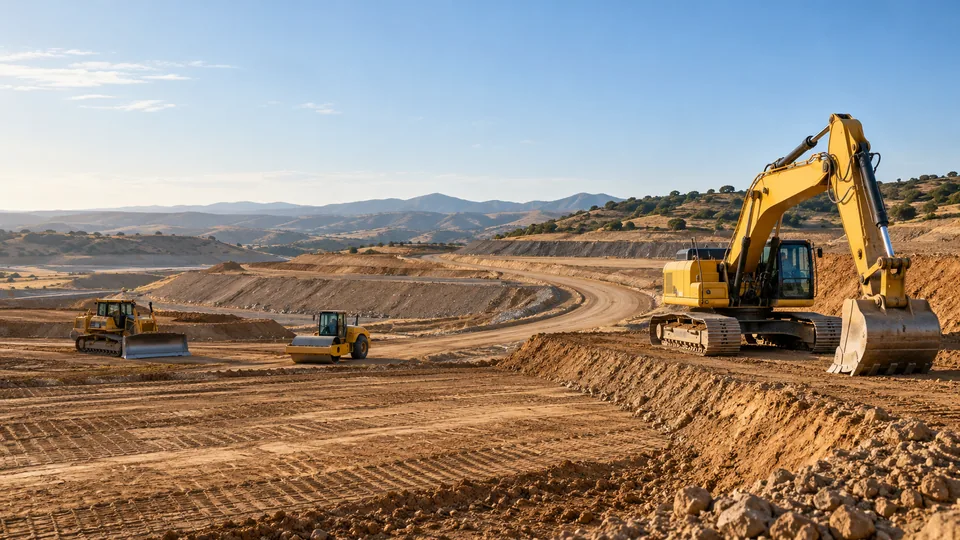
A contractors pollution policy typically defines covered operations, and the definition decides whether debris removal, demolition, abatement and grading are included. Some forms exclude asbestos or mold or require endorsements for abatement work, which matters on burned older structures. The application should describe the debris and site work the contractor performs so the policy matches the operations.
Demolition and abatement exposure is explained in pollution coverage for demolition and remediation.
Runoff and Debris Flows from Burned Slopes
Los Angeles County has warned that recent burn areas remain highly susceptible to mud and debris flows. Grading and erosion control on burned slopes can still send sediment and ash into storm drains and streams during heavy rain, and those discharges can lead to third-party and cleanup claims. Pollution coverage for runoff, together with a documented erosion control plan, is commonly part of burn-scar site work.
Drainage and storm-season work is explained in storm drain contractor insurance.
Fines, Penalties and Compliance
Pollution policies commonly exclude fines and penalties, so permits, worker training and disposal records remain the first line of defense. Contractors keep manifests, test results and permit records for each site, which also support any insurance claim.
The broader rebuild coverage map is in our guide to wildfire and disaster rebuild insurance.
Who Typically Buys the Coverage on a Rebuild
On fire recovery work, contractors pollution liability is usually bought by the firm doing the physical work: the debris removal contractor, the demolition or abatement contractor, the grading and excavation contractor and, on some rebuilds, the general contractor for the whole site. Owners and developers may require it in the contract and ask to be named as additional insureds, and public agencies letting cleanup contracts commonly set minimum pollution limits in their insurance exhibits.
A developer rebuilding many lots may also consider a project-specific pollution policy that covers the work of every contractor on the program for the length of the project. Whether that fits depends on the number of lots, the sequence of work and the contractors' own coverage, and it is subject to underwriting and the forms issued.
Program-wide options are explained in project-specific pollution coverage.
Before You Ask for a Quote
What to Gather
- A description of debris, demolition and grading operations
- Licenses, hazardous substance certification and worker training records
- Current GL policy with its pollution exclusion
- Erosion control and disposal plans
- Any owner or agency insurance exhibits
What to Ask the Insurer or Surety
- Does the covered operations definition include debris removal and grading?
- Are asbestos and mold excluded, or can they be endorsed?
- Does the policy address runoff and sediment discharges?
- How are fines and penalties treated?
Quick Answer
Wildfire debris and burn-scar runoff can fall outside a general liability policy's pollution exclusion, so contractors removing debris or grading burned sites commonly add contractors pollution liability, matched to their operations.
Common Mistake
Assuming general liability will respond to ash, asbestos or runoff claims. The standard pollution exclusion often removes those exposures.
Broker Perspective
We compare the contractor's actual debris and grading work with the pollution policy's covered operations and exclusions, since a mismatch there is where most gaps appear.
Coverage Impact
Definitions of pollutant, covered operations and any asbestos or mold exclusions in the issued policy decide what responds; fines and penalties are commonly excluded.
Questions Buyers Ask
Does general liability cover wildfire debris cleanup claims?
Often not. Standard general liability forms commonly exclude pollution, which can reach ash, asbestos and contaminated runoff, so a contractors pollution policy is typically added.
What licenses did debris removal contractors need in Los Angeles County?
The Contractors State License Board stated that permits went to contractors with the Hazardous Substance Removal Certification and an A, B or C-12 and C-21 license, with HAZWOPER-trained workers.
Is asbestos covered under contractors pollution liability?
It depends on the form. Some policies exclude asbestos or require an endorsement for abatement work, so the covered operations and exclusions are checked against the work.
Does pollution coverage pay regulatory fines?
Usually not. Fines and penalties are commonly excluded, so compliance with permits, training and disposal rules remains essential.
Official Sources
- Disaster debris removal: contractor requirements (2025), Contractors State License Board. Debris removal permits go to contractors holding the Hazardous Substance Removal Certification with an A, B or C-12 and C-21 license; workers need 40-hour HAZWOPER training. Verified 2026-10-25.
- Private property debris removal deadlines, County of Los Angeles. Owners who opted out of government debris removal needed a Fire Debris Removal permit and a contractor under county deadlines. Verified 2026-10-25.
- Residents in recent burn areas urged to prepare for mud and debris flows (December 22, 2025), County of Los Angeles. Recent burn areas remain highly susceptible to mud and debris flows; Public Works maintains debris basins and protective measures. Verified 2026-10-25.
- Eaton and Palisades Fires One Year Fact Sheet, County of Los Angeles. Acreage, structures destroyed and damaged for the Eaton and Palisades fires, and debris removal totals. Verified 2026-10-25.
Reviewed by the Principal, Gleason Insurance Brokers, LLCUpdated