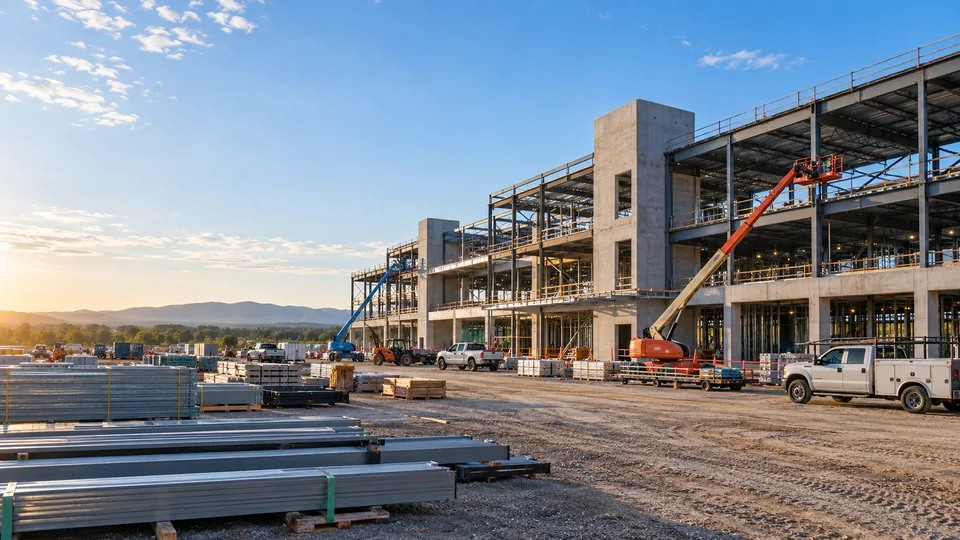
Why Triggers Matter More Than the Phase List
Most phase charts show which coverages belong to acquisition, entitlement, site work, vertical construction, sales and the completed-operations tail. That is a useful start, but claims rarely fail because a sponsor forgot a line. They fail because one placement stopped on a date or event nobody tracked while the next one had not yet attached. A builders risk form that ends when a building is occupied, a contractor's policy that stops responding when the contractor demobilizes and a bond that cannot be released because the agency never formally accepted the work are all trigger problems.
A trigger map lists every policy and bond, the event that starts it, the event that ends it and the document that proves each event happened. Recording dates, notices of completion, acceptance letters, certificates of occupancy and bond exoneration letters become insurance documents in their own right. The rest of this article walks through those triggers phase by phase for sponsors working in California, Texas, Arizona and Nevada.
For the full program view behind this sequence, start with insurance and surety for developers and subdividers.
Land Acquisition: Owner Exposure Begins at Closing
The first trigger is the deed. Once the owner entity takes title, it holds premises exposure for the parcel even if nothing happens on it for years: trespassers, illegal dumping, fire on dry brush, a fence that fails along a public road. Vacant land liability is often written as a modest standalone policy or added to the sponsor's existing program, and the named insured should be the entity that holds title rather than the sponsor parent alone.
Environmental history also attaches at closing. A Phase I report commissioned before purchase becomes the reference document every later pollution underwriter will read, and conditions it flags can shape exclusions on site-work policies years later. A sponsor that expects to grade, dewater or import fill should decide early whether it wants a site pollution policy in the owner's name, contractors pollution liability required from the site contractor or both. That choice is easier to make with the Phase I in hand than after the first truckload of unexpected soil leaves the site.
Options for the owner and the site contractor are compared in pollution liability for site work and soil.
Entitlement: Bonds Are Promised Before They Are Posted
Entitlement carries little physical risk, but it is where the longest surety obligations get written. Conditions of approval commit the developer to streets, water, sewer, storm drain and other public improvements, and the agency usually wants security before it records the final map or issues permits. The trigger for the bond is the obligee's requirement, not the start of construction. A sponsor that waits until the map is ready to record before talking to a surety can lose weeks while the surety reviews financial statements and the indemnity agreement.
Each state frames that security differently. California's Subdivision Map Act, in Government Code section 66499, lists the forms an agency may accept, including corporate surety bonds, deposits and letters of credit. In Texas, Local Government Code section 212.073 requires a developer under a developer participation contract with a municipality to execute a performance bond from a corporate surety in accordance with Government Code chapter 2253, and section 212.901 lets a municipality require surety from a development owner before approving plans. Arizona's A.R.S. section 9-463.01 has municipalities require performance bonds, assurances or other security for streets, utilities, drainage and flood control. It also allows an applicant to request a certificate-of-occupancy hold as that security.
A bond is not insurance. It protects the agency as obligee, and the sponsor and often its principals sign a general indemnity agreement promising to repay the surety. That indemnity starts when the bond is issued and lasts until the surety is released, which is why bond release belongs on the trigger map.
Underwriting, indemnity and release terms are explained under improvement bonds for subdivisions.
Horizontal Work: The First Hand-Off Between Programs
Grading, wet and dry utilities, streets and storm drain start the physical risk, and they usually start it under the site contractor's annual program rather than the developer's. The developer's protection during this phase depends on additional insured endorsements, primary and noncontributory wording and waivers in the civil contract, so the trigger for the developer is the contractor's mobilization and the date the endorsements are issued. Collect the endorsements before the first ticket is called, not after.
Builders risk is a weak fit for this phase. Many builders risk forms exclude or sublimit roads, paving, underground pipe and landscaping. Some do not attach until vertical work begins. Ask whether the form you plan to use for the buildings can be written to include horizontal improvements, or whether those improvements are left to the contractor's equipment and installation coverage and the improvement bond. Stormwater permit coverage is another trigger in this phase. EPA requires Clean Water Act permit coverage for construction that disturbs one acre or more, or less than an acre within a larger common plan of development, so the sponsor should know which party is the permittee and whether pollution coverage on the site follows that responsibility.
Horizontal work also produces the first partial release. Agencies commonly reduce or release performance security in stages after accepting completed improvements, under the terms of the improvement agreement. Each acceptance letter is the document that changes the bond, so file it where the surety and the broker can find it.
Trade-level exposures during grading and utilities are mapped on subdivision site improvement projects.
Vertical Construction: Builders Risk Attaches and Liability Is Locked In
Builders risk usually attaches when vertical construction starts or when materials for the work arrive on site, whichever the form specifies. The values reported at inception should reflect the completed value of the work, and phased projects need a plan for adding buildings as they start. If the lender or the contract requires soft-cost or delay protection, that has to be bound at inception too, since it is difficult to add after a loss is foreseeable.
The liability structure chosen at this point tends to last for the life of the project. If the sponsor runs an owner-controlled program, enrollment begins when each contractor mobilizes and ends when its work is complete, while the completed-operations term continues after turnover. Texas sets a floor for one piece of this: Insurance Code section 151.051 requires a consolidated insurance program that provides general liability to provide completed-operations coverage for a policy period of not less than three years. The chapter's definition of a construction project leaves out a single family house, townhouse, duplex or land development directly related to them, so product type affects whether that floor applies.
If the project is not wrapped, the developer relies on each contractor's annual program and on additional insured status that may or may not reach completed operations. That reliance has a stop trigger the developer does not control: a contractor's nonrenewal, insolvency or change of carrier.
Sponsor and contractor roles under a consolidated program are explained in wrap-up programs for a single project.
Sales and Lease-Up: Builders Risk Ends Before the Project Does
The most common stop trigger in this phase is occupancy. Builders risk forms frequently end coverage for a building when it is occupied, put to its intended use, accepted by the owner or sold, and some end on a stated date regardless of progress. On a phased project, those triggers fire building by building, so the permanent property policy has to pick up each completed building on the day builders risk lets go. Model homes and leasing offices often trip the occupancy wording early.
Liability shifts too. Once units close or tenants move in, the owner entity moves from construction exposure to operating exposure, and buyers, tenants and associations become potential claimants. For-sale product hands the common areas to a homeowners association, while rental product keeps the asset with the owner, which changes which entity must stay insured and for how long.
The occupancy wording that ends coverage building by building is examined in builders risk when buildings are occupied in phases.
Completed Operations and Bond Release: The Last Items to Stop
Completed-operations protection is the longest-running line on most developments. Whether it comes from a wrap, a project-specific policy or contractors' annual programs, ask how long it runs after completion, whether it depends on renewals and what happens if the owner entity dissolves after sell-out. A single-purpose entity that winds down without a plan for its tail can leave the sponsor arguing that a claim belongs to an entity that no longer exists.
Surety obligations end on paper, not on a calendar. Many agencies hold a warranty amount for a period after acceptance, and the surety typically wants a written release or exoneration from the obligee before it closes the bond. Until then, the bond can still appear on the sponsor's surety program and the indemnity agreement remains in force. Ask the surety which document it needs to close each bond, and request it from the agency as soon as the warranty period ends.
How the tail is written, extended and kept alive is covered in completed-operations protection after turnover.
A Trigger Map to Share with the Lender and the Surety
Put the whole sequence on one page before the loan closes. Lenders, sureties and contractors each see only part of the program, and a single map lets everyone confirm that one placement starts before the prior one ends. Update it at each phase change and attach the proof documents.
- Owner's premises liability: starts at deed recording; ends at final sale or transfer of each parcel.
- Site pollution or contractors pollution liability: starts at mobilization or policy inception; ends on the policy's stated date, subject to any extended reporting terms.
- Improvement bonds: start when the agency requires security; end on written release after acceptance and any warranty period.
- Builders risk: starts at vertical construction or material arrival, per the form; ends at occupancy, acceptance, sale or the stated date.
- Wrap-up or project liability: starts at the first enrolled mobilization; the completed-operations term runs after completion.
- Permanent property and operating liability: start the day each building leaves builders risk.
Match the map against what construction lenders require before the first draw.
Before You Ask for a Quote
What to Gather
- Closing statement and recorded deed for each parcel, with the owner entity named exactly as on title
- Phase I environmental report and any later soil or groundwater data
- Conditions of approval, improvement agreements and each obligee's required bond form
- Stormwater permit records showing which party is the permittee
- The phasing schedule with planned start, occupancy and sale dates for each building
- Builders risk form wording on attachment and termination
- Acceptance letters, notices of completion and certificates of occupancy as they are issued
What to Ask the Insurer or Surety
- Ask what event starts and what event ends each policy, in the form's own words
- Ask whether horizontal improvements can be included in builders risk or are left out
- Ask whether builders risk can stay in force on unsold or unleased buildings after nearby units are occupied
- Ask the surety which document it needs from the agency to close each bond
- Ask how long completed-operations protection runs and whether it depends on renewals
- Ask what happens to the owner entity's coverage if the entity dissolves after sell-out
Quick Answer
Each policy and bond on a development starts and stops on its own trigger: closing, agency security requirements, mobilization, vertical start, occupancy, acceptance and written bond release. A trigger map keeps one placement from ending before the next one attaches.
Common Mistake
Assuming builders risk runs until the whole project sells out. Many forms end coverage for each building at occupancy, acceptance or sale, leaving finished buildings without property coverage until a permanent policy is bound.
Broker Perspective
A broker looks for the days between triggers: the gap between site work and builders risk attachment, between occupancy and permanent property and between acceptance and bond release.
Coverage Impact
Whether a loss in a transition responds typically depends on attachment and termination wording, additional insured endorsements and completed-operations terms. Improvement bonds protect the agency, and the sponsor's indemnity to the surety usually continues until written release.
Questions Buyers Ask
When should builders risk start on a subdivision with a long grading phase?
Often at the start of vertical construction or when building materials arrive, but the form decides. Many builders risk forms exclude or sublimit streets, underground pipe and paving, so the grading phase is usually protected through the site contractor's program and the improvement bond rather than builders risk. Ask whether your form can include horizontal improvements and whether starting it early changes the premium basis.
Can our improvement bond be reduced once the city accepts the streets?
Often, yes, but the improvement agreement and the agency's ordinance control the timing and amount. Many agencies reduce performance security after formal acceptance and keep a warranty amount for a set period. The reduction usually needs a written action from the agency, and the surety may want that document before it adjusts the bond or your program capacity.
As the developer, are we protected by the grading contractor's insurance during site work?
Partly, and only to the extent the contractor's additional insured endorsement, primary wording and limits respond. Collect the actual endorsements before mobilization and check whether they reach completed operations. Pollution events, such as contaminated soil or fuel releases, may fall outside the contractor's general liability entirely, which is why many developers also look at a site pollution policy.
What still has to stay in force after the last home closes?
Usually the completed-operations protection for the project, any bond that the agency has not yet released and liability for the owner entity itself if it can still be named in a claim. Ask how long the tail runs and whether dissolving the entity affects it. Keep the bond release letters, since the surety's indemnity typically continues until each bond is closed.
Does a certificate-of-occupancy hold in Arizona replace a performance bond?
It can serve as the security in some cities. A.R.S. section 9-463.01 lets a municipality allow an applicant to request a certificate-of-occupancy hold as security for required improvements, but the city decides whether to accept it. A hold ties up occupancy instead of surety capacity, so weigh the effect on closings and lease-up before choosing it over a bond.
Official Sources
- Cal. Gov. Code §66499 (Subdivision Map Act, forms of improvement security), California Legislative Information. Forms of improvement security an agency may accept, including corporate surety bonds, deposits and letters of credit. Verified 2026-10-23.
- Tex. Local Gov. Code ch. 212 (§212.073 performance bond; §212.901 developer required to provide surety), Texas Legislature. Developer participation contract performance bond from a corporate surety under Gov. Code ch. 2253; municipal authority to require surety before approving development plans. Verified 2026-10-23.
- A.R.S. §9-463.01 (municipal subdivision regulation and improvement assurances), Arizona State Legislature. Performance bonds, assurances or other security for streets, utilities, drainage and flood control; certificate-of-occupancy hold at the applicant's request. Verified 2026-10-23.
- Tex. Ins. Code ch. 151 (§151.001 definitions; §151.051 completed-operations duration), Texas Legislature. Consolidated programs providing GL must provide completed-operations coverage for not less than three years; construction project excludes single family house, townhouse, duplex and related land development. Verified 2026-10-23.
- EPA, Stormwater Discharges from Construction Activities, U.S. Environmental Protection Agency. Permit coverage required for construction disturbing one acre or more, or less than one acre within a larger common plan of development or sale. Verified 2026-10-23.
Reviewed by the Principal, Gleason Insurance Brokers, LLCUpdated
Find this useful? Add My Contractors Insurance Quote as a preferred source, and Google can show you more of our articles and guides. Follow on Google (opens in a new tab)