Developers and Subdividers
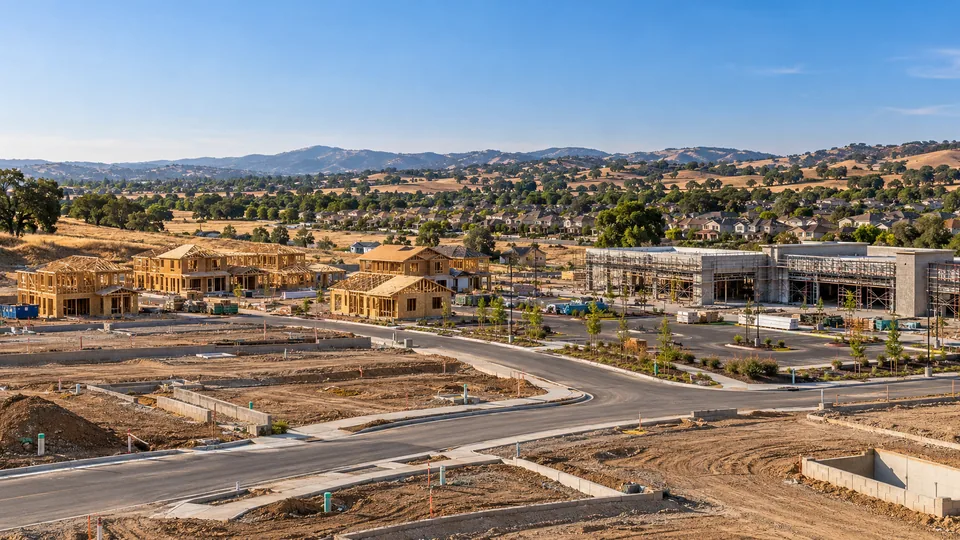
Owners of residential subdivisions, multifamily, commercial, industrial and data-center projects are underwritten on the project itself: the entity that holds title, the construction contract, the lender's insurance exhibit and the value of each phase. Their program often combines builders risk, project or wrap-up liability, pollution and the improvement security a city or county requires before it records a map.
Follow the full phase-by-phase map in insurance and surety for developers and subdividers.
General Contractors
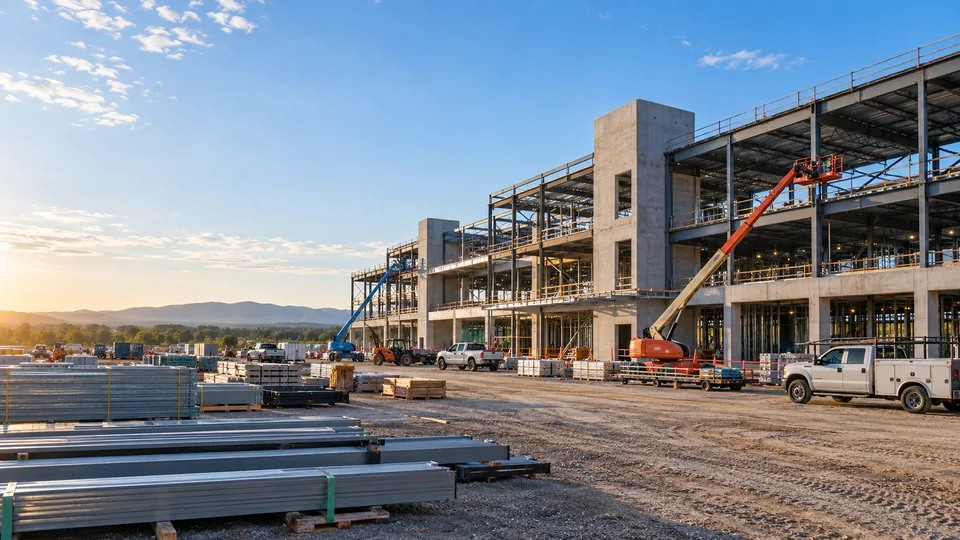
Established commercial and residential general contractors bring a prime contract, an insurance exhibit and a subcontract schedule. The review centers on project-specific or wrap-up liability, the contractor's own performance and payment bonds, subcontractor risk transfer and how completed operations are handled once the owner takes the building. Commercial and residential work raise different questions, so each has its own path.
Choose commercial or residential from project insurance for general contractors.
Infrastructure and Civil Contractors
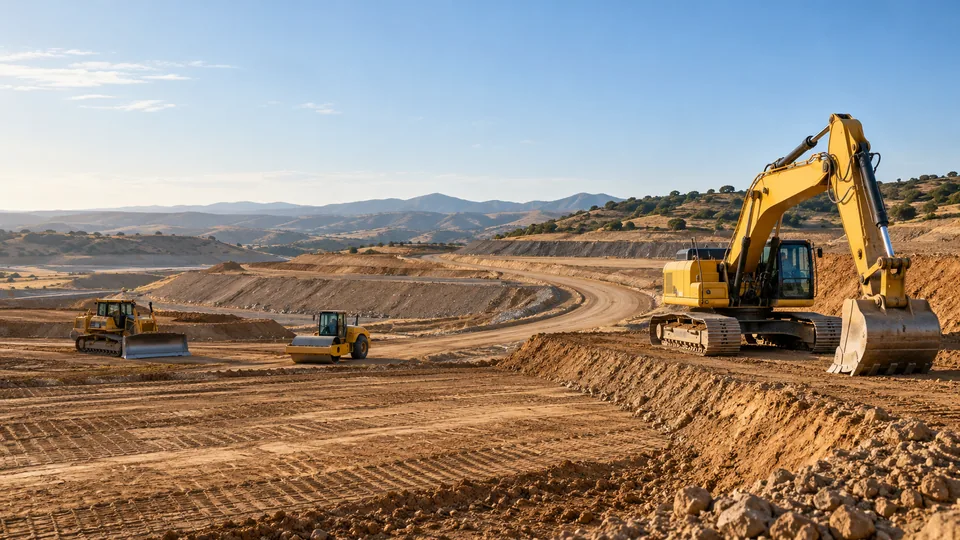
Underground-utility, directional-drilling, excavation and grading, water/sewer/storm drain and paving and concrete contractors work near live utilities and disturbed soil. Their review often turns on pollution exclusions, excavation and underground exposures, public-works bonds and the indemnity terms that owners and prime contractors pass down.
Each trade has its own section in infrastructure and civil contractor insurance.
How to Pick Your Path
Pick the role your company holds on the contract, not the role of the largest party on the job. A developer that self-performs site work may need both the developer and civil paths. A general contractor working under an owner wrap-up still needs its own program for everything the wrap-up excludes. If the project type is the clearer starting point, the project directory groups commercial, residential, industrial and subdivision work.
Or start from construction projects by type.
Smaller Contractors and Annual Trade Policies
This site is built for project insurance and contract surety. Smaller trade contractors who need an annual general liability, workers' compensation or auto policy without a project component are served by the main Gleason Insurance Brokers brokerage, which handles annual contractor programs by trade. If you are unsure which fits, describe the work when you reach out and it will be routed to the right place.
Not sure which side fits your work? Contact a project broker.
Quick Answer
MCIQ serves developers and subdividers, established general contractors and civil and infrastructure contractors on projects in California, Texas, Arizona and Nevada.
Common Mistake
Starting with a coverage line before confirming your role on the contract, which can lead to a policy that does not match what the contract requires.
Broker Perspective
The same job may involve all three buyers. Each one brings different documents, and the review starts with whoever signs the contract in question.
Coverage Impact
Role and contract terms typically decide who must carry builders risk, project liability, pollution and bonds, and how additional insured protection flows between parties.
Questions Buyers Ask
I'm a developer who also self-performs grading. Which page should I start on?
Start with the developer and subdivider path, since the owner entity, lender exhibit and improvement security drive the overall program. Then review the civil contractor path for the grading operation itself, because excavation, pollution and equipment exposures belong to the company doing the work. Many sponsors with an in-house site crew need both views reconciled into one plan.
Can a small trade contractor get an annual policy through this site?
This site focuses on project insurance and contract surety. Annual general liability, workers' compensation and auto programs for smaller trade contractors are handled by the main Gleason Insurance Brokers brokerage. If you submit a request here and it turns out to be an annual-policy need, it will be pointed to that brokerage instead of being turned away.
Do you work on projects outside California, Texas, Arizona and Nevada?
The content and project focus here are California, Texas, Arizona and Nevada. If a sponsor or contractor has a project in another state alongside work in these three, mention it in the request so the review can account for the full schedule of projects and any multistate program questions.
Reviewed by the Principal, Gleason Insurance Brokers, LLCUpdated