Ontario Ranch and the Scale of the Work
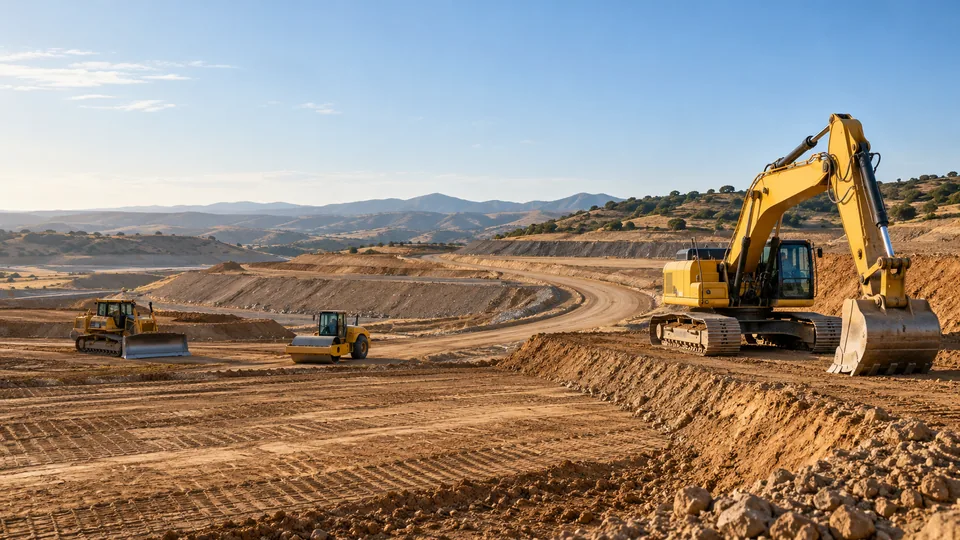
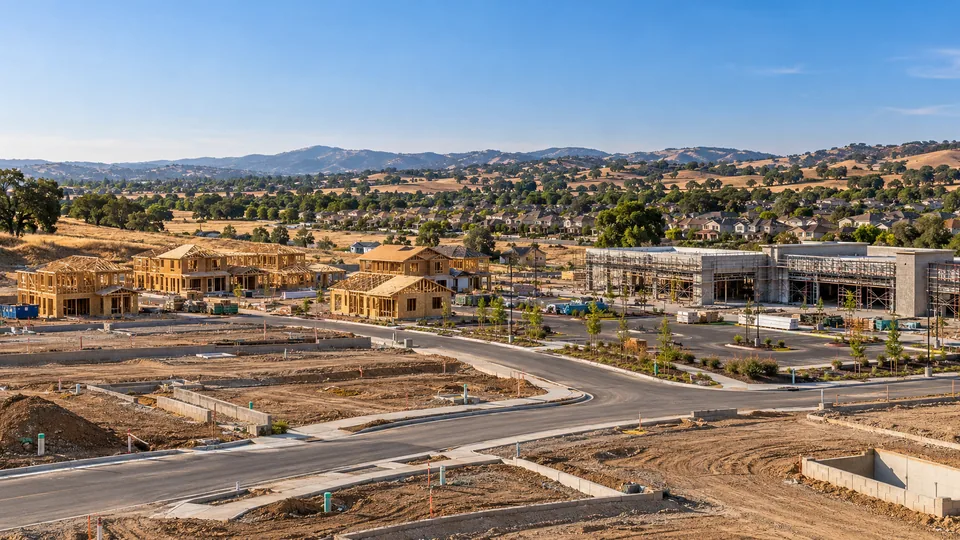
Ontario Ranch, formerly known as the New Model Colony, is the focus of the City's planned residential growth. Its public streets, water, sewer and storm drain are financed in large part through Community Facilities Districts, which is why CFD items show up on the City's improvement security release checklist.
The City's own documents describe the area differently, and the figures should not be blended. The City's Annual Comprehensive Financial Report for fiscal 2025 describes a 13,000-acre former agricultural preserve that will add approximately 60,000 homes and 193,000 new residents, and it attributes a 10.36 percent rise in sales tax primarily to new warehouses throughout the City, including Ontario Ranch. The Ontario Ranch Bonded Facilities CFDs Administration Report for 2022 says the area was annexed November 30, 1999, as an 8,000-acre agricultural area, projects over 47,000 new homes and 16 million square feet of retail and industrial land uses and says buildout may take 20 years or more.
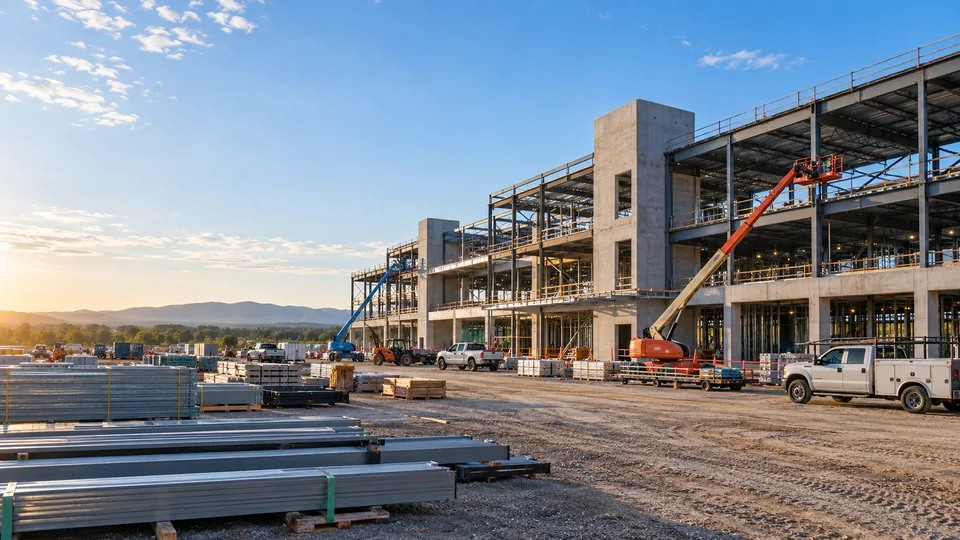
Either way, the work is large and long. A master developer, merchant builder or civil contractor in Ontario Ranch can carry improvement bonds on several tracts at once, plus industrial pads in the same district.
How Ontario compares with neighboring warehouse and housing markets is covered on the Inland Empire construction insurance page.
Sizing Security Under Development Code Section 6.08.040
Chapter 6.0 of the Ontario Development Code, posted as revised August 18, 2026, contains Section 6.08.040 on improvement plans and security; that section's pages carry a December 1, 2020, revision mark. It allows performance and guarantee security of up to 100 percent of the total estimated cost of the improvement, including costs and fees incurred by the City, with the amount set by the City Engineer.
The estimate itself is built up before the percentage applies: it must include a 10 percent contingency and a 10 percent increase for projected inflation to the midpoint of construction. If both are added to a $10,000,000 base estimate, the bond figure could approach $12,000,000, depending on how the City Engineer prepares the estimate. Payment security can also reach 100 percent, but it excludes grading and monumentation, so the payment bond may be smaller than the performance bond.
The code accepts a corporate surety bond, negotiable bonds or a letter of credit, cash or, if approved, a lien. Public improvements tied to a Development Plan, not only a subdivision map, can also require security.
The statewide framework behind these percentages is explained in California subdivision improvement bonds.
Partial Release, Substitute Security and the Two-Year Term
Security is released at completion and acceptance, except the amount the City keeps for the guarantee and warranty period. Partial release has three conditions: no release is considered until at least 50 percent of the improvements are complete, no release may be less than 10 percent of the original security and the City can require substitute security of up to 200 percent of the revised estimated construction cost for the remaining work.
That last term matters to a surety. If the remaining work is estimated at $3,000,000, substitute security could be as high as $6,000,000, so a partial release may reduce the bond less than a developer expects. Ask the surety whether it will issue a reduction rider or a replacement bond, and confirm the City's estimate before requesting release.
A subdivision improvement agreement runs no more than 2 years from its effective date, and the City Engineer can extend it. Extensions often come with an updated estimate, which can raise the bond amount if costs have risen.
Reduction and release practices in other cities are compared in the city subdivision improvement bond overview.
Maintenance Surety, Warranty Retention and Monuments
Division 2.06 of Chapter 2.0 of the Development Code, also marked with a December 1, 2020, revision, allows the City to require surety for any discretionary or ministerial permit, with the amount set by the Planning Director or City Engineer. Either official may require separate surety for maintenance of the work, and that maintenance surety remains in effect for the one-year period following final inspection. If the developer defaults, the City may complete the work and recover its administrative, inspection and legal costs.
The Engineering Department's checklist for improvement security release and final acceptance accepts a warranty bond or 10 percent of the performance bond retained. The checklist names no period; the one-year term comes from Division 2.06. It also requires monuments to be set before release.
Monuments are handled in cash. The City's Standard Conditions of Approval, adopted by Resolution No. 2017-027, call for a monument bond as a cash deposit in the amount of the City's approved cost estimate spreadsheet or the estimate of the engineer or surveyor of record, whichever is greater. That document dates from 2017, so confirm the current conditions with the City. A cash deposit does not use surety capacity, but it does tie up working capital until release.
Bond capacity and liability planning for master developers is covered under insurance and bonds for land developers.
CFD and Record-Drawing Items Before Release
The release checklist lists the establishment of the community facilities district and record drawings among the prerequisites to release. It also sets a 90-day plant establishment period, after which the City performs a final inspection of the CFD landscape.
For a merchant builder or master developer, those items can keep bonds open after the streets are paved. Landscape that has not yet passed final CFD inspection stays the developer's responsibility, which affects who maintains it, whose liability policy responds to injuries on it and how long builders risk or installation coverage needs to stay in force. Purchase agreements between a master developer and builders should say who handles each release item.
Long residential build-outs with many builders are often written under residential wrap-up programs.
Right-of-Way Permits and City Contract Insurance Terms
The 2017 Standard Conditions of Approval require an encroachment permit and a traffic control permit for all work within the public right-of-way, and all public improvement plans must be approved before the encroachment permit issues. They also require the applicant to defend, indemnify and hold the City harmless against challenges to the approval. The City's fee schedule as of July 1, 2025, lists an encroachment permit fee of $130.00 each, effective October 1, 2025.
The insurance limits for an Ontario encroachment permit could not be confirmed from an official readable source for this page. Ask the Engineering Department for the current permit insurance and bond terms before mobilizing.
For an example of how the City writes insurance terms, its Purchase Order Terms and Conditions, which govern contractors and vendors working for the City rather than developer permits, ask for general liability of at least $2,000,000 per occurrence and $4,000,000 aggregate, $2,000,000 auto liability for any auto and $2,000,000 employer's liability. The City and its officials must be additional insureds on general liability and auto, defense costs sit outside the limits, carriers must be rated A:VII or better and a waiver of subrogation applies. A contractor bidding City work should expect terms of this kind; a developer's permit terms may differ.
How local and Caltrans right-of-way security differ is explained under California encroachment permit bonds.
Building an Ontario Bond and Insurance Plan
Start with the City Engineer's estimate and confirm whether the contingency and inflation lines are already in it. Then lay out performance, payment, maintenance or warranty retention and the cash monument deposit, with the 2-year agreement term and any expected partial release at 50 percent completion.
Grading on former agricultural land, imported fill and dewatering can raise pollution questions that a general liability policy may exclude, and long CFD-funded build-outs raise completed operations and wrap-up questions. Requirements can vary by carrier guidelines and programs and are subject to underwriting and the terms of the bonds and policies issued, so confirm the current requirement with the City before closing.
Grading and fill exposures are discussed under pollution liability for site development.
Before You Ask for a Quote
What to Gather
- The City Engineer's estimate showing the 10 percent contingency and 10 percent inflation lines
- The subdivision improvement agreement with its effective date and any extension
- A schedule of performance, payment, maintenance and warranty security with release conditions
- The monument cash deposit amount and the engineer or surveyor's estimate
- CFD formation status, record drawings and the landscape establishment start date
- Encroachment and traffic control permit applications and the City's current permit insurance terms
- Any City contract or purchase order insurance exhibit if the firm also bids City work
What to Ask the Insurer or Surety
- Does the City's estimate already include the contingency and inflation, and how does that change our bond amount?
- Will the surety handle a partial release by rider or by a replacement bond at up to 200 percent of remaining work?
- Will the City hold 10 percent of the performance bond or require a separate warranty bond?
- How long can the maintenance surety stay open if the CFD landscape inspection is delayed?
- What insurance limits and additional insured wording does the City require for this encroachment permit?
- Does our general liability program respond to the City's indemnity and defense obligations?
Quick Answer
Ontario's Development Code allows performance and payment security of up to 100 percent each, on an estimate that includes 10 percent contingency and 10 percent inflation, with a one-year maintenance surety after final inspection. The release checklist accepts a warranty bond or 10 percent of the performance bond retained and typically requires monuments set, record drawings and an established CFD.
Common Mistake
Sizing the performance bond from the base engineer's estimate without the contingency and inflation lines, or expecting a partial release to cut the bond in half when substitute security can be up to 200 percent of the remaining work.
Broker Perspective
A broker reads the City Engineer's estimate, the agreement term and the release checklist together, then asks the surety how it will document reductions and extensions before the developer requests them.
Coverage Impact
Improvement, maintenance and warranty bonds are surety credit that stays on the developer's program until release, while a cash monument deposit ties up working capital instead. Liability and builders risk may need to stay in force until CFD items clear, subject to underwriting and the terms of the bonds and policies issued.
Other Inland Empire Cities
Questions Buyers Ask
How much improvement security does Ontario require?
Under Development Code Section 6.08.040, performance and guarantee security can be up to 100 percent of the estimated cost as the City Engineer determines, and payment security up to 100 percent excluding grading and monumentation. The estimate includes a 10 percent contingency and 10 percent projected inflation.
Can an Ontario improvement bond be reduced before the work is finished?
The code allows partial release only after at least 50 percent of the improvements are complete, no release may be under 10 percent of the original security and the City can require substitute security of up to 200 percent of the revised cost of the remaining work.
Does Ontario hold warranty security after acceptance?
The Engineering release checklist accepts a warranty bond or 10 percent of the performance bond retained. Division 2.06 of the Development Code says maintenance surety stays in effect for one year after final inspection. Confirm which form the City will accept for your project.
Can Ontario monument security be posted as a bond?
The City's 2017 Standard Conditions of Approval call for the monument bond as a cash deposit, sized by the City's cost estimate spreadsheet or the engineer or surveyor of record, whichever is greater. Because the document is from 2017, confirm the current condition with the City.
Why do Ontario Ranch figures differ between City reports?
The fiscal 2025 financial report describes 13,000 acres and about 60,000 homes, while the 2022 CFD administration report describes an 8,000-acre annexation and over 47,000 homes. They are separate documents prepared at different times; cite each with its date.
Official Sources
- Ontario Development Code Chapter 6.0, Development and Subdivision Regulations (Rev. 08-18-2026), Section 6.08.040, City of Ontario. Performance and guarantee security up to 100 percent including City costs and fees; 10 percent contingency and 10 percent projected inflation in the estimate; payment security up to 100 percent excluding grading and monumentation; accepted forms of security; release at acceptance less warranty amount; partial release at 50 percent completion, no release under 10 percent, substitute security up to 200 percent; agreement term not to exceed 2 years, extendable; Development Plan improvements may require security. Verified 2026-10-25.
- Ontario Development Code Chapter 2.0, Administration and Procedures (Rev. 08-18-2026), Division 2.06, City of Ontario. Surety may be required for discretionary or ministerial permits in an amount set by the Planning Director or City Engineer; maintenance surety for one year after final inspection; City completion and cost recovery on default. Verified 2026-10-25.
- Engineering Applications: Final Acceptance and Bond Release checklist, City of Ontario Engineering Department. Warranty bond or 10 percent of performance bond retained; monuments set before release; CFD establishment and record drawings as release items; 90-day landscape establishment before the final CFD landscape inspection. Verified 2026-10-25.
- Standard Conditions of Approval, Resolution No. 2017-027 (April 18, 2017), City of Ontario City Council. Subdivision agreement and security before final map acceptance; monument bond as a cash deposit at the greater of the City spreadsheet or the engineer or surveyor's estimate; encroachment and traffic control permits for right-of-way work after public improvement plans are approved; applicant indemnity. Verified 2026-10-25.
- Citywide Fee Schedule as of July 1, 2025, City of Ontario. Encroachment permit fee of $130.00 each, effective October 1, 2025. Verified 2026-10-25.
- City of Ontario Purchase Order Terms and Conditions, City of Ontario. Insurance for contractors and vendors on City purchase orders: general liability $2,000,000 per occurrence and $4,000,000 aggregate, $2,000,000 any-auto liability, $2,000,000 employer's liability, City as additional insured on GL and auto, defense outside limits, A:VII carriers and waiver of subrogation. Verified 2026-10-25.
- City of Ontario Annual Comprehensive Financial Report, Fiscal Year 2025, City of Ontario Finance. Ontario Ranch described as a 13,000-acre former agricultural preserve adding approximately 60,000 homes and 193,000 residents; 10.36 percent sales tax increase attributed primarily to new warehouses including Ontario Ranch. Verified 2026-10-25.
- Ontario Ranch Bonded Facilities CFDs Administration Report 2022, City of Ontario. Annexation on November 30, 1999, as an 8,000-acre agricultural area; over 47,000 new homes and 16 million square feet of retail and industrial land uses; buildout may take 20 years or more; infrastructure financed through CFDs. Verified 2026-10-25.
Reviewed by the Principal, Gleason Insurance Brokers, LLCUpdated