
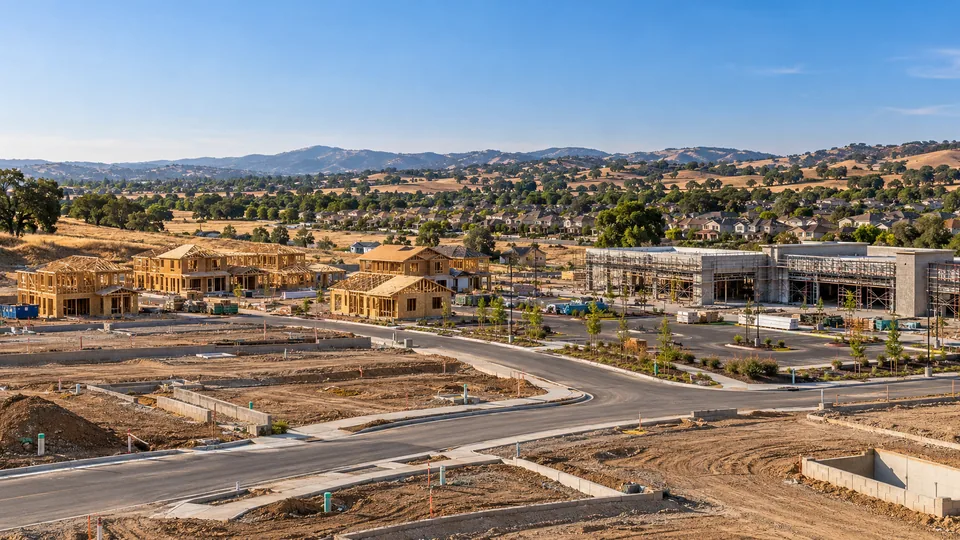
Pure Water San Diego Phase 1: What Is Being Built
The City describes Pure Water San Diego as an advanced water purification program that will provide nearly half of San Diego's water supply locally by the end of 2035. Phase 1 includes 12 projects intended to produce 30 million gallons per day of purified water. Listed projects include the Morena Pump Station, Morena Pipelines with a Northern Alignment and Tunnels, North City Water Reclamation Plant expansion and a flow equalization basin, the North City Pure Water Facility and Pump Station plus a pipeline with a dechlorination facility and a subaqueous pipeline.
The City reports construction of pipelines, pump stations and treatment facilities in Morena, Bay Park, Bay Ho, Clairemont, University City, Miramar and Scripps Ranch. For contractors, that means linear work through dense neighborhoods, tunneling and work inside or beside operating wastewater and water facilities, all under City contracts with their own insurance and bonding specifications.
Statewide licensing, public-works bonding and prevailing-wage context for City contracts is summarized on the page for California construction insurance and public-works rules.
Bonds on Pure Water Contracts and Subcontracts
Prime contractors on City public works typically post bid security, a performance bond and a payment bond, and many primes pass bond requirements down to major subcontractors. A performance bond protects the City as obligee. A payment bond protects the subcontractors and suppliers who furnish labor and material. Neither is insurance: if the surety pays, the contractor owes it repayment under the indemnity agreement.
Program-scale work strains surety capacity. A subcontractor taking on a pipeline segment or pump station package while carrying other backlog should expect its surety to review current financial statements, work in progress and experience with similar underground or plant work. Bringing that package to the surety before bid day avoids a capacity surprise after award.
Who a payment bond protects and how claims typically work is explained in payment bonds for public water and pipeline contracts.
Tunnels, Treatment Plants and Builders Risk
Tunneling and plant work change the property side of the program. Builders risk or contractors equipment coverage for a tunnel segment may need to address tunnel collapse, groundwater inflow and the tunnel boring or microtunneling equipment itself, and some markets apply specific conditions to underground work. Treatment-plant expansions add existing-facility exposure and testing and commissioning of pumps, membranes and controls.
The City's contract usually decides who buys builders risk on public works, so read the insurance section before pricing. Where the contractor must provide it, ask whether testing is included, how existing structures are treated and what deductible applies to underground perils.
Pollution Exposure on Wastewater-Adjacent Work
Pure Water starts with treated wastewater, and several Phase 1 projects sit at or near reclamation and biosolids facilities. Excavation, dewatering and connections to existing lines can release sewage, impacted groundwater or treatment chemicals. A GL policy with a total pollution exclusion may not respond to those claims.
Contractors pollution liability is designed for that gap, but forms differ on known conditions, transportation and disposal sites and on whether mold and bacteria are included. Subcontractors should confirm their CPL meets the prime's flow-down requirements before mobilizing.
contractors pollution liability for underground and plant work.
Midway Rising and Building on City-Owned Land
The City reports that Midway Rising would redevelop the approximately 49-acre Sports Arena site in the Midway district with 2,000 affordable apartment homes, 2,250 market-rate apartment homes, a 16,000-seat entertainment center replacing Pechanga Arena, 14.5 acres of parks and public spaces, 130,000 square feet of shops and restaurants plus on-site and off-site infrastructure. The City Council declared the land surplus in September 2021, and in September 2025 the project was advancing to public hearings toward final City Council consideration. Check the City's current status before relying on a schedule.
A program of this kind usually involves several developers, many buildings and phased financing on public land. The City's agreements, each lender's exhibit and the developers' contracts will set insurance terms. Owner-controlled or contractor-controlled wrap-ups are often evaluated for multi-building programs, and the choice depends on who controls the contracts, how many builders are involved and how completed-operations coverage is extended across phases.
How wrap-ups are structured and when they fit is explained in OCIP and CCIP wrap-up programs for phased projects.
Bidding the City's Own Construction Contracts
Contractors bidding the city's own capital projects meet a separate set of requirements from development permits: bid security, payment and performance bonds, insurance minimums and endorsements, retainage, warranty and small business program rules, set in the city's contract documents and each solicitation.
Those terms are set out in City of San Diego construction contract bonds and insurance.
San Diego Unified Projects
San Diego Unified prequalifies contractors on larger projects and applies a Project Stabilization Agreement to bond-funded work.
Those requirements are set out in San Diego Unified contractor requirements.
Airport Projects
The airport authority runs its own owner program, safety qualification and airside rules.
Those requirements are set out in San Diego International Airport contractor requirements.
Grading and Right-of-Way Permit Bonds Under SDMC 129.0119
Under SDMC Section 129.0119, Grading and Public Right-of-Way Permits are bonded by a California-authorized surety. The schedule sets 110 percent of estimated cost for public improvements and right-of-way restoration and a tiered grading amount (100 percent of the first $5,000, 50 percent to $50,000, 25 percent above). Projects estimated at $100,000 or less are exempt unless the City Engineer requires one. The September 2026 code copy reflects a July 15, 2026, amendment not yet in force in the Coastal Overlay Zone, so confirm with the City.
Information Bulletin 126 (July 2026) requires form DS-401 from a surety rated "A" or higher, and bonds stay in force until as-builts are approved and the permit closes. Information Bulletin 353 adds an inspection deposit on deferred construction engineering projects. After a default notice, the surety has 35 days to deposit the completion estimate plus 25 percent. Sureties typically price that tail.
How right-of-way permit bonds typically work statewide is explained in California encroachment permit bonds.
Contractor Lists, Workers Comp Proof and the Permit Indemnity
SDMC Section 129.0121 (since October 2022) requires permits for 20 or more dwelling units, 20,000 square feet or more of new floor area or any right-of-way work to list each contractor and subcontractor with workers' compensation policy numbers and expirations, updated before new subcontractors start. Missing this counts as working without a permit.
Section 129.0122 (effective October 5, 2024) makes the applicant and owner indemnify the City against suits challenging a construction permit. A GL policy may not respond, so ask counsel how defense would be funded.
Chula Vista applies its own right-of-way security and insurance rules, covered in Chula Vista construction insurance and permit security.
Assembling a San Diego Program
For Pure Water contractors, the core pieces are bonds sized to the package, builders risk or equipment coverage fitted to tunneling and plant work, and CPL that meets the prime's requirements. For Midway-scale developers, the structure decision comes first: wrap-up or traditional, with builders risk, GL and bonds aligned to the City's agreements and the lenders.
Collect the contract insurance specifications and bond forms first, then build the submission around them. To review a specific San Diego project, request a quote or call 844-978-7283.
Before You Ask for a Quote
What to Gather
- The prime contract's insurance and bonding specifications and flow-down terms
- City bond forms for bid security, performance and payment
- Tunneling, dewatering and plant-connection scope with values
- Current financial statements and work-in-progress schedule for the surety
- Existing CPL and GL policies with pollution and known-conditions wording
- For Midway-type work, the owner's wrap-up manual or insurance exhibit
What to Ask the Insurer or Surety
- Does the surety have capacity for this package alongside current backlog?
- Who provides builders risk on the contract, and how are tunneling perils treated?
- Does the CPL include known conditions, transportation and disposal or mold and bacteria?
- Does the builders risk include testing and commissioning for pump and treatment systems?
- If enrolled in a wrap-up, how do our own GL and CPL respond to excluded operations?
- How long is completed-operations coverage extended after each phase closes?
Quick Answer
In San Diego, Pure Water Phase 1 brings public-works bonds, tunneling and wastewater-adjacent pollution risk to contractors, and Midway Rising brings a phased, multi-building program on city land where wrap-ups and lender terms drive the structure.
Common Mistake
Taking a Pure Water subcontract with practice CPL that excludes known conditions at an existing plant connection, then finding the pollution claim has no coverage.
Broker Perspective
Read the prime's insurance and bonding specification before bid day, take the package to the surety early and check the CPL wording against plant and dewatering work.
Coverage Impact
Bonds protect the City and claimants, not the contractor; builders risk may need tunneling and testing terms; CPL may respond where GL excludes pollution, depending on the form.
Questions Buyers Ask
What bonds should a subcontractor expect on a Pure Water San Diego package?
Many primes on City public works pass down performance and payment bond requirements to major subcontractors, along with insurance flow-downs. A performance bond protects the prime or City and a payment bond protects lower-tier claimants. Your surety will review financial statements and work in progress, so share the package before bid day.
Is tunneling on a water pipeline insured the same way as open-cut trenching?
Usually not. Tunneling brings collapse, groundwater inflow and high-value boring equipment into the picture, and builders risk or equipment markets may apply specific conditions or deductibles to underground work. Read the contract to see who must buy builders risk, then ask how tunneling perils and equipment are treated before pricing.
Why would a contractor need pollution coverage on a water purification project?
Several Phase 1 projects connect to wastewater reclamation and biosolids facilities. Excavation, dewatering and tie-ins can release sewage, impacted groundwater or chemicals. A GL total pollution exclusion may block those claims. Contractors pollution liability may respond, depending on known-conditions, disposal and mold or bacteria wording.
Does a large redevelopment on city-owned land like Midway Rising usually use a wrap-up?
It is often evaluated. Multi-building programs with several developers and phased financing can benefit from an owner- or contractor-controlled program, but the decision depends on the City's agreements, the lenders and who controls the contracts. Enrolled contractors still need their own policies for excluded operations and off-site work.
Official Sources
- Pure Water San Diego, City of San Diego Public Utilities Department. Pure Water San Diego is an advanced water purification program that will provide nearly half of San Diego's water supply locally by the end of 2035. Verified 2026-10-23.
- Pure Water San Diego Phase 1 Projects, City of San Diego Public Utilities Department. Phase 1 includes 12 projects producing 30 million gallons per day; listed pipelines, tunnels, pump stations, plant expansion, subaqueous pipeline; construction in Morena, Bay Park, Bay Ho, Clairemont, University City, Miramar and Scripps Ranch. Verified 2026-10-23.
- Transformational Sports Arena Redevelopment Project Advances Toward Final Decisions (Sept. 24, 2025), City of San Diego. Approximately 49-acre Sports Arena site; 2,000 affordable and 2,250 market-rate apartment homes; 16,000-seat entertainment center; 14.5 acres of parks; 130,000 square feet of shops and restaurants; on-site and off-site infrastructure; surplus declaration in September 2021; advancing to hearings toward final City Council consideration. Verified 2026-10-23.
- San Diego Municipal Code Chapter 12, Article 9, Division 1: General Construction Permit Authority and Procedures, City of San Diego. Code copy dated 9-2026. SDMC 129.0119: bond by a California-authorized surety conditioned on completion free of liens; 21 and 35 calendar day default responses with 25 percent added; schedule of 100 percent appurtenances, 50 percent revegetation, tiered grading, 110 percent public improvements and encroachments, 100 percent shoring restoration; $100,000 exemption; amended 6-15-2026 by O-22109, effective 7-15-2026, not in the Coastal Overlay Zone until certified. SDMC 129.0121 (effective 10-21-2022) contractor and subcontractor list with workers' compensation details. SDMC 129.0122 (effective 10-5-2024) permit indemnification. Verified 2026-10-27.
- Information Bulletin 126: Bonding for Grading/Public Right-of-Way Permits and Maps, City of San Diego Development Services Department. July 2026 edition: performance bonds on form DS-401 from a surety rated "A" category or higher; partial release not to exceed 75% of the construction cost estimate; bonds remain in force until As-Builts and/or As-Graded reports are approved and the permit is closed; annual rating review. Verified 2026-10-27.
- Information Bulletin 353: Grading and Right-of-Way Permit Issuance, City of San Diego Development Services Department. April 2026 edition: initial inspection deposit charged at issuance for DCE grading and public improvement projects; bond as performance bond, cash bond or letter of credit when the reviewer requires one. Verified 2026-10-27.
Reviewed by the Principal, Gleason Insurance Brokers, LLCUpdated

