How a Contractors Pollution Premium Is Typically Built
A CPL premium usually starts with the contractor's operations and a rating base. The underwriter assigns a rate to each type of work and applies it to a measure of volume. On an annual practice policy that measure is commonly gross revenue, sometimes payroll, split by operation. On a project-specific policy it is usually the construction value of the job. Limits, the deductible or retention, the trigger, the term and the endorsements then adjust that base.
Because the operations drive the rate, the application matters more than many buyers expect. A firm described only as a general contractor may be rated differently from one that splits its revenue among building work, earthwork, utility installation and drilling. A clear split lets the underwriter price the work performed, while a vague one may lead it to assume the higher-hazard operations. The description matters at claim time too, since many forms limit coverage to the operations listed or described.
How the core form, its definitions and exclusions fit together is explained on the main page for contractors pollution liability coverage.
Operations Mix: Why Underwriters Separate the Trades
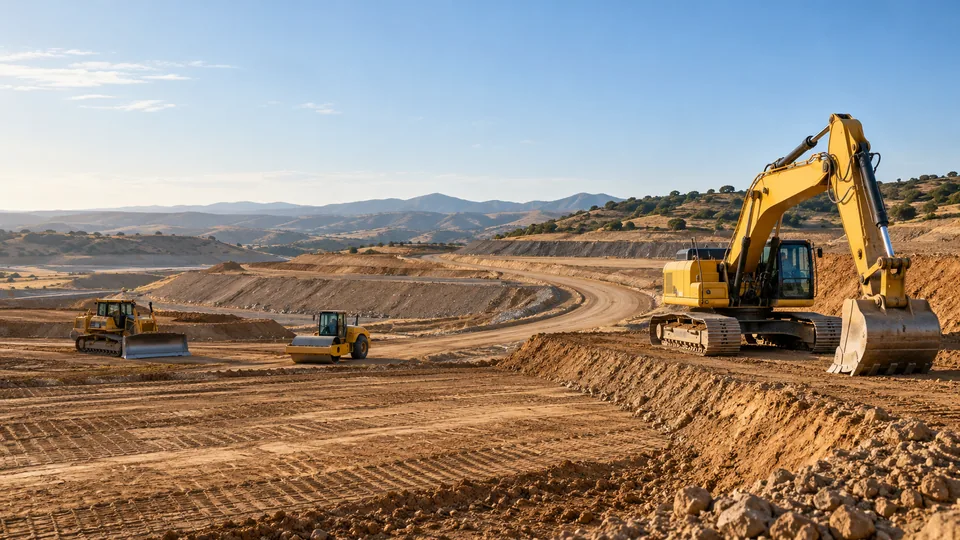
Underwriters look at what each operation can release and where it can go. Directional drilling pumps pressurized drilling fluid underground. Underground utility and sewer work opens trenches beside lines carrying fuel, gas or sewage. Dewatering can move impacted groundwater. Excavation and grading disturb soil nobody has fully characterized and often export it. Demolition can release asbestos, lead or PCB-containing materials. Remediation makes contaminated material the job itself. Paving and concrete work bring fuel, tack coat, washout water and sediment rather than buried contamination.
Those differences typically show up in the rate. Remediation, abatement and tank removal usually sit at the high end, often with separate underwriting or a separate form. Drilling and underground utility work generally rate above surface trades because releases can travel below ground and reach water. Paving and concrete often rate lower, though asphalt plants, fuel storage and work beside drainage can raise them. A contractor adding a new operation midyear should tell the carrier, since an unlisted operation may fall outside the policy.
Why abatement and remediation change the form, not only the price, is explained in pollution coverage for demolition and remediation work.
How Underwriters View Underground Utility, HDD, Sitework and Paving
For underground utility contractors, underwriters ask about locate practices, strike history and the corridors worked. Federal excavation rules require the estimated location of utility installations to be determined before an excavation is opened, utility owners to be contacted within established or customary local response times and the exact location to be found by safe and acceptable means as work approaches. A documented one-call and potholing routine and a low strike rate can support better terms; repeated strikes may bring higher deductibles or narrower wording.
Directional drillers are asked about bore lengths, crossings of waterways, highways and railroads, soil conditions, fluid additives and the inadvertent return plan, and long crossings under water typically draw the closest review. Drilling equipment insurance is a separate question: rigs, reamers and downhole tools are usually insured on a contractors equipment or inland marine form with its own lost-in-hole terms, while a frac-out that reaches a creek is the pollution question priced on the CPL.
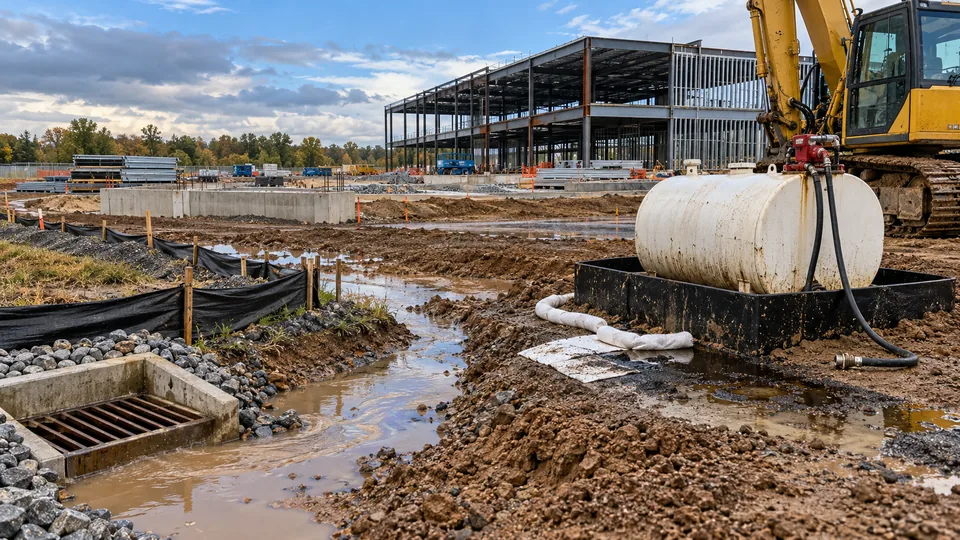
Sitework and grading files turn on acreage disturbed, cut and fill volumes, imported and exported soil, stormwater controls and site history. EPA's construction stormwater program applies to activity disturbing one acre or more, or less when the site is part of a common plan of development or sale that will disturb an acre or more, so a contractor's permit record is part of the file. Paving and concrete contractors are usually asked about plants, fuel storage, washout handling and work beside storm drains.
The equipment side of drilling, including tools stuck downhole, is discussed under HDD contractor insurance for rigs and downhole tools.
Occurrence, Claims-Made, Retroactive Dates and Tails
The trigger changes both the price and what the price buys. Occurrence forms respond to pollution conditions that happen during the policy period, even when the claim arrives later, and they can cost more for the same limit. Claims-made forms respond to claims first made during the policy period for conditions after the retroactive date. Some carriers price claims-made forms lower in early years and raise them as more prior work falls inside the retroactive date.
The retroactive date is where a cheaper quote can cost money later. A new carrier may offer a lower premium with a retroactive date at its own inception, which removes prior years of completed work from the policy. Keeping the original date usually costs more, but it keeps earlier jobs inside. Ask every carrier what retroactive date it will grant, and compare quotes only on matching dates. An extended reporting period, priced separately and set by the form, may let claims from past work be reported after a claims-made policy ends without a replacement.
Why claims can surface years after the work ends is discussed under completed operations exposure after closeout.
Per-Project or Annual Practice Placement
An annual practice policy prices the contractor's whole operation for the year, and its limit is shared by every job. A project-specific policy prices one site for its term, often with a reporting tail, and keeps the limit dedicated to that site. Project policies are typically rated on the construction value and duration of the job, the site's history and the parties insured. Contracts and lenders that require a dedicated limit often decide the question, while a contractor running many small jobs usually finds the practice policy simpler.
Site history weighs heavily on project and corridor pricing. Public records such as the California State Water Board's GeoTracker, TCEQ's leaking petroleum storage tank dataset and NDEP's site cleanup database show tank releases and cleanup sites near an alignment. Disclosing what those records show lets the underwriter price a known condition rather than assume the worst, though it may also lead to an exclusion for that condition. When a project policy exists, ask how the practice policy treats that site, to avoid paying twice or leaving a gap.
Term, insureds and lender terms for a dedicated policy are set out in project-specific pollution insurance.
Limit, Aggregate and Retention Structure
Higher limits cost more, though not in a straight line. The first layer of limit usually carries the most premium for each dollar of limit, and excess layers above it often cost less per dollar because they are reached less often. Whether defense costs sit inside or outside the limit changes both the price and how much limit is left for the loss. A separate aggregate for each project, where a carrier offers it, typically adds premium to an annual policy.
Deductibles and self-insured retentions trade premium for retained cost, and some carriers set higher retentions for specific operations such as drilling or mold. The limit itself should come from the contracts, lender terms and the realistic size of a cleanup and third-party claim, not from a default. Owners and agencies write minimum limits into contracts, and those figures are requirements to meet, not measures of adequate protection.
How owners state limits and what a certificate can promise is explained in limit requirements in a contract insurance exhibit.
Mold, Transportation and Non-Owned Disposal Site Endorsements
Endorsements extend the form, and each carries its own price. Mold, where available, is often sublimited or subject to a separate retention, and carriers usually price it higher for contractors doing interiors, building envelopes or multifamily work, where water intrusion can grow into a mold claim after turnover. Some forms include mold in the base grant; others exclude it unless it is written back.
Transportation pollution and non-owned disposal site coverage follow the load off the job. Transportation pricing depends on owned versus hired vehicles, materials hauled, trip counts and whether any load is hazardous waste, and disposal site pricing depends on the facilities used. Under the federal Superfund statute, liability for response costs can reach persons who arranged for disposal and persons who accepted hazardous substances for transport to sites they selected, subject only to listed defenses, which is why underwriters ask where the material goes.
How hauling and disposal coverage is written is explained in transportation pollution coverage for hauled soil and fluids.
Loss History, Subcontracted Work and Completed Operations
Loss history moves the price in both directions. Underwriters read prior pollution claims, small spills that never became claims and the corrective steps taken afterward, and a contractor that can show spill kits on equipment, trained crews and written notice procedures usually presents a stronger file. For cleanup work, carriers often ask for training records: OSHA's hazardous waste operations standard reaches government-required and voluntary cleanups at recognized uncontrolled hazardous waste sites and calls for general site workers to receive at least 40 hours of off-site instruction and three days of supervised field experience.
Subcontracted work is rated differently from self-performed work. Many carriers apply a lower rate to subcontracted operations when the subs carry their own pollution insurance with limits and additional insured terms that meet the contract. When subs do not, the carrier may apply a higher rate or exclude their work. Current subcontract insurance exhibits and certificates are a pricing tool as much as a compliance one.
The completed operations term matters on a pollution form too. Contamination often appears after the job closes, so carriers price how long completed work stays inside the policy. A longer completed operations period on a project policy, or continuity of the retroactive date on an annual claims-made policy, typically costs more but keeps finished jobs inside the policy.
How CPL fits beside GL, equipment and auto for civil contractors is outlined in civil and underground utility contractor insurance.
Before You Ask for a Quote
What to Gather
- Revenue or payroll split by operation for recent years and the coming year
- List of operations performed, including drilling, dewatering, demolition, hauling and any remediation
- Current and prior CPL policies with the retroactive date and endorsements
- Pollution and spill loss history, including incidents that never became claims
- Subcontract insurance exhibit and the pollution certificates collected from subs
- Disposal and recycling facilities used, with hauling arrangements
- Frac-out, spill response and stormwater plans used on recent jobs
- Contract or lender pollution requirements for upcoming projects
What to Ask the Insurer or Surety
- What rating base and rate apply to each operation we listed?
- Will you match our existing retroactive date?
- Is the form occurrence or claims-made, and how long is the extended reporting period and how is it priced?
- Are defense costs inside or outside the limit?
- Are mold, transportation and non-owned disposal sites included, sublimited or excluded?
- How are subcontracted operations rated when subs carry their own pollution coverage?
- Does a project policy for one site change the annual policy's premium or terms for that site?
Quick Answer
Contractors pollution liability pricing typically follows the operations performed and a rating base such as revenue, payroll or project value, then adjusts for limits, trigger and retroactive date, endorsements, loss history and subcontracted work.
Common Mistake
Switching to a cheaper claims-made quote that resets the retroactive date. The savings can leave years of completed work with no policy that responds to a later claim.
Broker Perspective
A broker splits the rating base by operation, matches retroactive dates across quotes and checks that every operation performed, including drilling and hauling, is listed before comparing price.
Coverage Impact
How a claim is handled often depends on whether the operation was listed, the trigger and retroactive date and the endorsements attached; fines and penalties are commonly excluded.
Questions Buyers Ask
A new carrier quoted our CPL lower but with a new retroactive date. What do we give up?
Prior acts. On a claims-made policy, a retroactive date at the new carrier's inception typically removes claims arising from work performed before that date, even when the claim is made while the new policy is in force. The expiring policy usually will not respond after it ends unless an extended reporting period was bought. Ask whether the new carrier will match the existing retroactive date before comparing price.
Is a project-specific pollution policy cheaper than adding the job to our annual policy?
It depends on the job. Adding a project to an annual policy may add little premium, but the job then shares the annual limit with every other job. A project policy carries its own premium for the term and tail and keeps a dedicated limit for that site. Contracts and lenders that require a dedicated limit often settle the question before price does.
Does our pollution policy insure our drill rig and downhole tools?
Typically not. A drill rig, reamers and drill pipe are equipment, usually insured on a contractors equipment or inland marine policy for physical damage and, if endorsed, tools lost or stuck in the hole. The pollution policy addresses releases such as a frac-out of drilling fluid. Quote them separately, and make sure the drilling operations listed on the CPL match the work the rigs perform.
What makes mold or disposal site coverage cost more on a pollution policy?
The exposure behind each one. Mold pricing usually follows how much interior, envelope and multifamily work the contractor performs and whether water intrusion claims appear in its history. Disposal site pricing follows the facilities used, what is sent there and whether they are permitted. Each endorsement may also carry its own sublimit or retention, which affects both price and protection.
Can a stormwater violation on one job raise our pollution insurance cost?
It can. Underwriters read permit compliance as a sign of site discipline, and an enforcement action or a sediment discharge that led to a neighbor's claim may raise the rate or retention, or narrow terms, at renewal. Fines and penalties themselves are commonly outside pollution policies. Records of the corrective steps taken, such as revised controls and inspection logs, may help the file.
Official Sources
- 42 U.S.C. 9607 (CERCLA liability), U.S. Government Publishing Office (govinfo). Liability notwithstanding any other rule of law, subject only to the defenses in subsection (b), for persons who arranged for disposal or treatment (a)(3) and persons who accepted hazardous substances for transport to sites they selected (a)(4), for response costs and natural resource damages. Verified 2026-10-29.
- 29 CFR 1926.651(b), Specific excavation requirements: underground installations, Occupational Safety and Health Administration. Estimated location of utility installations determined before opening an excavation; utility owners contacted within established or customary local response times; exact location determined by safe and acceptable means as excavation approaches. Verified 2026-10-29.
- 29 CFR 1926.65, Hazardous waste operations and emergency response, paragraphs (a)(1) and (e)(3)(i), Occupational Safety and Health Administration. Scope reaches government-required clean-up operations and voluntary clean-ups at recognized uncontrolled hazardous waste sites; general site workers receive at least 40 hours of off-site instruction and three days of supervised field experience. Verified 2026-10-29.
- EPA, Stormwater Discharges from Construction Activities, U.S. Environmental Protection Agency. Clean Water Act permit needed for construction disturbing one acre or more, or smaller sites that are part of a common plan of development or sale that will ultimately disturb one acre or more. Verified 2026-10-29.
- State Water Resources Control Board, About GeoTracker, California State Water Resources Control Board. GeoTracker is the State Board's internet-accessible database, including leaking underground storage tank cleanup sites and cleanup program sites, with public access to regulatory data. Verified 2026-10-29.
- TCEQ, Leaking Petroleum Storage Tank Cleanups, Texas Commission on Environmental Quality. TCEQ publishes a searchable dataset of leaking petroleum storage tank sites in Texas, updated daily. Verified 2026-10-29.
- NDEP, Site Cleanup Database, Nevada Division of Environmental Protection. The Bureau of Corrective Actions' public database includes leaking underground storage tank cases and corrective action sites. Verified 2026-10-29.
Reviewed by the Principal, Gleason Insurance Brokers, LLCUpdated